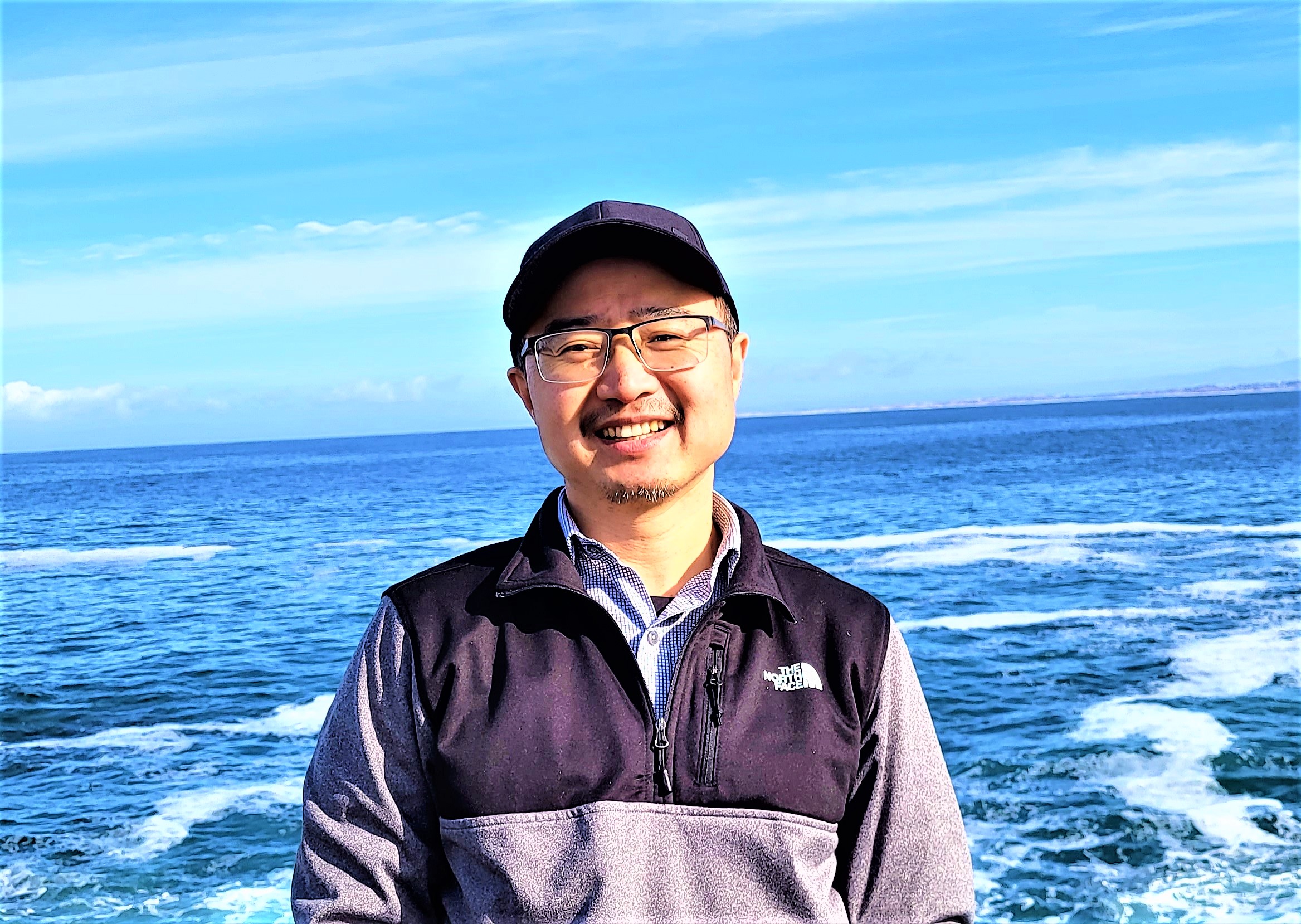
Dr. Hailong Wang is an Earth Scientist and Team Leader at Pacific Northwest National Laboratory (PNNL). Wang has wide-ranging research expertise in atmospheric aerosols, cloud physics and dynamics, aerosol-cloud-precipitation-climate interactions, light-absorbing impurities in snowpack and sea ice, radiative feedback, and high-latitude climate change and its associated impacts. His research has generated important scientific discoveries and advanced fundamental understanding of the role of aerosols in various critical components of Earth’s climate system.
Wang serves as an editor for the Atmospheric Chemistry and Physics journal, is a member of the US CLIVAR Process Study and Model Improvement Panel (PSMIP), and a co-lead of the IARPC Arctic Systems Interactions Priority Area collaboration team.
Praveen Gupta: Does arctic warming contribute to extreme wildfires in the western US?
Hailong Wang: While the relationship between Arctic warming and western US wildfires is not direct, the warming of the Arctic can influence atmospheric circulation patterns and conditions that increase the likelihood and severity of wildfires in the western US. In a recent study (Zou et al., 2021, Nature Communication) we show that increasing large wildfires during autumn over the western U.S. are fueled by more fire-favorable weather associated with declines in Arctic sea ice during preceding months on both interannual and interdecadal time scales.
“Increasing large wildfires during autumn over the western U.S. are fueled by more fire-favorable weather associated with declines in Arctic sea ice during preceding months on both interannual and interdecadal time scales.
Our analysis based on observations and climate model sensitivity experiments demonstrates and explains the Arctic-driven teleconnection through regional circulation changes with the poleward-shifted polar jet stream and enhanced fire-favorable surface weather conditions over western US.
PG: What is the impact of intruding atmospheric rivers into the Arctic?
HW: Atmospheric rivers are long, narrow corridors of moist and relatively warm air that transport large amounts of moisture from lower latitudes to higher latitudes. When these atmospheric rivers extend into the Arctic, they can bring about various changes and consequences. Intruding atmospheric rivers can introduce warmer air into the Arctic region. Warmer air brought by atmospheric rivers can accelerate the melting of sea ice by promoting direct melting and reducing ice growth during the winter months. Atmospheric rivers can bring increased moisture to the Arctic, potentially leading to enhanced precipitation and snowfall. While this might contribute to increased snow accumulation in some regions, it can also lead to more rapid melting if warmer temperatures follow, particularly during the spring and summer.
“Changes in the Arctic can have cascading effects on global climate and weather patterns, highlighting the interconnectedness of the Earth’s climate system.
The changes in temperature, precipitation, and sea ice due to atmospheric rivers can have profound effects on Arctic ecosystems. These changes can impact the distribution and behavior of plant and animal species that rely on specific environmental conditions. Additionally, changes in the Arctic can have cascading effects on global climate and weather patterns, highlighting the interconnectedness of the Earth’s climate system.
PG: How do black carbon (BC) and dust warm the Earth?
HW: Both black carbon (BC) and dust are types of aerosols that have complex effects on the Earth’s climate system, including the potential to contribute to climate warming. BC particles absorb sunlight strongly in the visible and near-infrared wavelengths. When these BC and dust particles are suspended in the atmosphere, they absorb sunlight and convert it into heat. This heats up the surrounding air and, in some cases, even the underlying surface. BC and dust particles can also land on snow and ice surfaces, reducing their reflectivity (albedo). Darker surfaces absorb more sunlight and melt faster, which can contribute to the melting of glaciers, ice sheets, and snow cover.
PG: What are the implications for the Third Pole?
HW: Changes are happening over the third pole; it contains the largest area of glaciers and ice outside the polar regions. This region is highly sensitive to climate change, and its changes have significant implications for both local and global environments. The third pole is also experiencing warming at a rate higher than the global average, causing the retreat of glaciers and reductions in snow cover. This also impacts the availability of freshwater resources through melting runoff and river flows, especially during the dry seasons. The warming also increases the speed of permafrost to thaw, leading to changes in soil stability and release of greenhouse gases.
“The third pole is also experiencing warming at a rate higher than the global average, causing the retreat of glaciers and reductions in snow cover.
Precipitation patterns including timing and intensity of rainfall and snowfall are also changing, which may cause floods and landslides. Changes in glacier melt and snowmelt also impact regional rivers, agriculture and hydropower generation. These changes eventually have complex effects on the Third Pole region’s environment, societies, and economies as well as global sea level rise and communities worldwide.
PG: Recent events across the globe point towards Climate modelling deficiencies?
HW: Climate models are never perfect. They are designed to study climate and climate changes in response to changes in greenhouse gases, solar radiation, land cover, and aerosols, rather than the prediction of weather events, by representing the interactions of various components of the earth’s climate system.
“Constraints in computing resources can still limit the level of detail and complexity that can be included in climate models.
Climate models require immense computational power. Constraints in computing resources can still limit the level of detail and complexity that can be included in models. Given these challenges, climate scientists continuously work to improve models by refining processes, incorporating new knowledge, and comparing model outputs with observations. Uncertainties and biases in models are acknowledged, and ensemble approaches (using multiple models) are often employed to provide a range of possible future climate scenarios.

Dr. Wang was an invited speaker at the EGU event in Vienna, earlier this year.
PG: What needs to be done to prevent irreversible outcomes?
HW: This is beyond a scientific question. Preventing irreversible outcomes or tipping points requires urgent and comprehensive action on multiple fronts. The severity of the situation calls for global cooperation, policy changes, technological advancements, climate research, and societal shifts. Here are some examples of key actions:
- Reducing greenhouse gas emissions.
- Promoting sustainable land use and agriculture (with less emissions).
- Protecting forests (acting as carbon sinks).
- Adopting climate-resilient infrastructure and urban planning that can withstand climate impacts.
- Conserving ecosystems as natural carbon sinks.
- Strengthening international collaboration (such as the Paris Agreement).
- Researching and developing innovative climate solutions.
- Increasing public awareness and understanding of climate change and its impacts.
- Considering carbon pricing mechanisms and regulations that limit emissions.
- Building resilience adaptation measures that help communities cope with climate change impacts.
“The window of opportunity to take meaningful action is narrowing, emphasizing the importance of immediate and sustained efforts.
Preventing irreversible climate changes requires a collective effort at all levels – from individual actions to international cooperation. Governments, businesses, communities, and individuals all have roles to play in shaping a sustainable and resilient future. The window of opportunity to take meaningful action is narrowing, emphasizing the importance of immediate and sustained efforts.
PG: Many thanks for your brilliant insights into some very intricate challenges. My best wishes for your ongoing efforts towards preserving our Planet’s well-being.
August 23, 2023
Illuminem.com republishes my blog interview

Richard Heinberg is regarded as one of the world’s foremost advocates for a shift away from our current reliance on #fossilfuels. I have been quoting him (and ‘Post Carbon Institute’) on what thought leaders and policy think tanks call #polycrisis. Meant “to refer to the tangles of global #environmental and #social dilemmas that are accumulating, mutually interacting, and worsening”.
Here Richard shares a broad spectrum of scenarios – all that could possibly unfold if we remain addicted to a fossil fuel powered economy. His diagnosis is candid – for instance the warning not to hallucinate – and prescriptions are tough. Inequality is a top concern and cooperation the way forward.
In “Navigating the #polycrisis of environmental and social breakdown”, he goes into the root cause. “During the 20th century, he explains, humanity’s increasing adoption of fossil fuels as sources of cheap and abundant energy enabled rapid industrialization. The result was a massive increase in nearly all human activities and their ecological and social impacts, a process that has been called the Great Acceleration.
Now, in the 2020s, the Great Acceleration is losing steam and shows signs of reversing direction”.
Richard is a prolific author and speaker. Leaders and parents/grandparents, in particular, seeking a resilient future in turbulent times can only benefit from the brilliant nuggets.
The Great Unraveling – Post Carbon Institute is a must read.
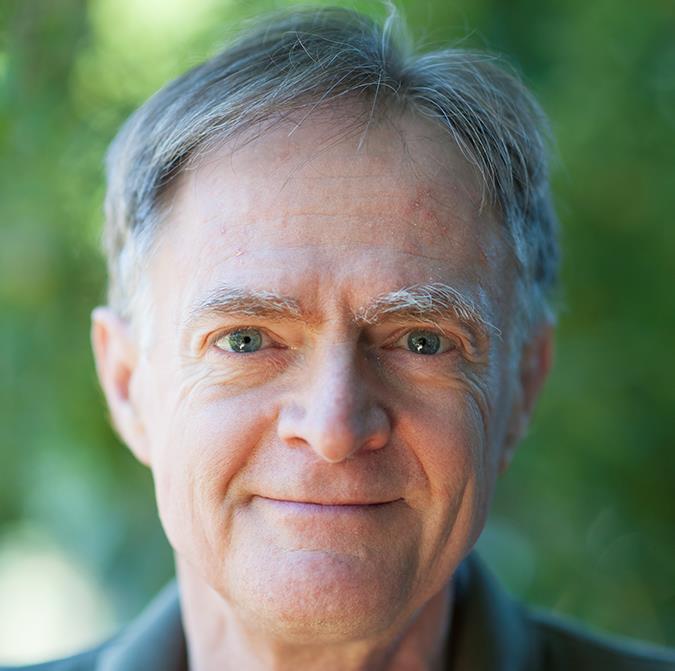
Richard Heinberg is Senior Fellow of Post Carbon Institute, and is regarded as one of the world’s foremost advocates for a shift away from our current reliance on fossil fuels. He is the author of fourteen books, including some of the seminal works on society’s current energy and environmental sustainability crisis.
Praveen Gupta: Why is it important to find the agency and means to navigate the unraveling of environmental and social systems?
Richard Heinberg: If we don’t squarely face the limits to our agency, we will hallucinate unreal solutions to our proliferating problems. In my view, technologies to capture carbon from the atmosphere are an example of such a hallucination. Same with fusion power. Actually solving problems often requires hard work and the sacrifice of some previous benefit. We should be spending more time negotiating the hard work and sacrifices that lie ahead, and less time hallucinating.
PG: How do you foresee society and nature evolving?
RH: It is impossible to pin down an exact scenario because the world (human and non-human) is a chaotic complex system, and therefore difficult to predict. However, there are constraints on how society and nature will evolve over the next few decades – including climate change, resource depletion, and increasing loads of toxic chemicals in the environment. These constraints will make continued economic growth more difficult to achieve with each passing year. Since global society uses economic growth to avert financial collapse, the end of growth will have profound consequences.
In my view, technologies to capture carbon from the atmosphere are an example of such a hallucination.
The most likely trajectory is toward chaotic and episodic global economic contraction, a peak and decline in human population, social distress, further political polarization, and geopolitical conflict. Meanwhile, natural systems will be severely impacted, further reducing human carrying capacity. The worst-case scenario would result from a series of self-reinforcing feedbacks in which environmental collapse and social collapse would feed on each other, perhaps triggering nuclear war. However, that worst case can still be avoided.
PG: “Fortifying resilience at the community level will be especially important”?
RH: When disasters happen, the first responders are members of the affected community (i.e., neighbors). Soon, help arrives from outside. In the future, however, “outside” will increasingly be dealing with its own disasters. So, more of a burden for disaster response will fall on local communities. Also, supply chains and transport systems will likely be in at least a partial state of disarray. The good news is that building community resilience increases everyone’s quality of life. Having good neighbors and lots of friends makes life more enjoyable as well as more secure.
We will need lots of cooperation to survive the challenges ahead, and extreme inequality destroys the incentive to cooperate.
PG: Why must rationing scarce resources be prioritised?
RH: Resources will inevitably become scarcer in coming decades – including both renewable resources like timber and fish, and non-renewables like minerals and metals. If we don’t learn to ration (i.e., fairly distribute) these scarce resources, the world will fall into deadly competition. Reducing inequality is also vital: when inequality increases (as it has been doing in recent decades), the social fabric becomes strained. People who are on the losing end say to themselves, “Why should I continue to support a society that treats me this way?” We will need lots of cooperation to survive the challenges ahead, and extreme inequality destroys the incentive to cooperate.
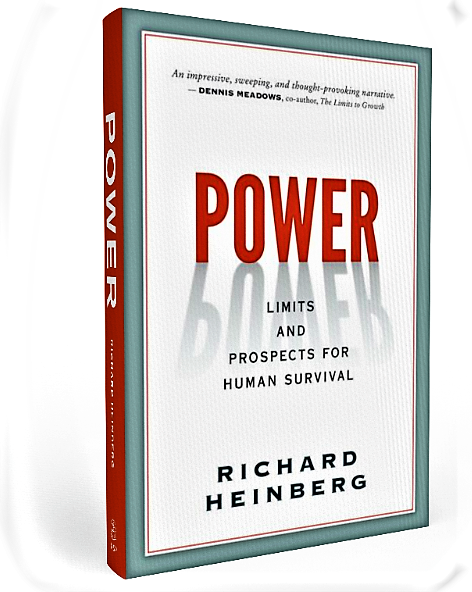
Richard’s latest book traces how humans have come to overpower the earth’s natural systems and oppress one another…with catastrophic implications.
PG: How should the money-pipeline be re-laid to ensure resilience?
RH: The entire monetary-financial system will have to be re-thought. I offered some suggestions along those lines in my book The End of Growth, including more restrictions on the charging of interest on loans. Charging interest works (more or less) in a growing economy; indeed, it adds fuel to the fire, helping economies grow at unsustainable rates. But, in an economy that’s shrinking, charging interest results in steep and growing economic inequality and widespread deprivation and suffering. That’s why traditional cultures often banned it (they called it usury). In general, we will need to meet human needs in more direct, cooperative ways that don’t involve money.
In an economy that’s shrinking, charging interest results in steep and growing economic inequality and widespread deprivation and suffering.
PG: Is Climate Fiction (cli-fi) inspiring enough?
RH: I see climate fiction as not just a source of inspiration, but as a means for using our imagination and emotions to process what’s happening to us. Without some opportunity for processing, the natural human response is simply denial – and we see plenty of that. So far, denial is winning, but for young people especially, cli-fi is increasingly playing a useful role in enabling them to cope.
PG: Many thanks for your candid assessment and tough prescriptions, Richard. Hoping this will serve as a wake-up call.
August 13, 2023
Sinner the winner: At the Canadian Open tonight!

The lanky 21 year old German speaking Italian – Jannik Sinner – generated amazing power, accuracy and fluent shots to overcome Tommy Paul in the semi finals. Paul earleir halted a seemingly annoyed Carlos.
After Wimbledon quarter finals of 2018, the Canadian Men’s Open (which alternates between Toronto and Montreal) 2020 was supposedly my next. The long wait to 2023, however, turned out to be well worth it. Two of the big three GOAT contenders were out of the race. And Novak Djokovic finally met a match in Carlos Alcaraz at the last Wimbledon.

Glimpses of a genius
After losing the first set to Hubert Hurkacz, Carlos displayed his craftsmanship by winning the three setter. The following day, one expected a repeat. A tweener in the second set seemed to be just the tail wind he was seeking. However, Paul quickly regained his composure and continued to dominate.
Quarter finals, as I learnt from Wimbledon, is the best opportunity to watch favourite top seeds unless they get knocked out earlier. In the two matches one got to see Alcaraz, Sinner, Paul and Monfils. The hottest contender was eliminated by the man who did so last year, as well. With Sinner he was surely a dark horse. Monfils is a talented proven workhorse.
York University’s Sobeys Stadium – the venue – is rather frugal compared to SW19 7NE. First held at the Toronto Lawn Tennis Club as a men’s only event in 1881 – thereby it is the second oldest tournament on tennis circuit, after Wimbledon.

This official downtown party venue can save you the effort of commuting to Sobeys @ 1 Shoreham Dr, Toronto, M3N 3A6. At no cost (but not as much fun as being in the stadium)!
Carlos ain’t the boss – yet!
While Murray and Nadal may be on their way out, Djokovic is not going away any time soon, and is likely to regain his No. 1 seeding. Then there are whole lot of young talented players also knocking the door. Alcaraz considers Tommy Paul as one of the best. Not getting a breakthrough in the quarter final with Tommy – also gave a glimpse into Carlos’s nerves. When he chucked the racket!
Tonight, it was Sinner who proved to be the winner. Carlos will be under serious scrutiny at Cincinnati and the US Open, soon.
The tennis world craves for a GOAT. Can he?
Vamos Carlos!
My blog conversation published by Illuminem.com
August 8, 2023
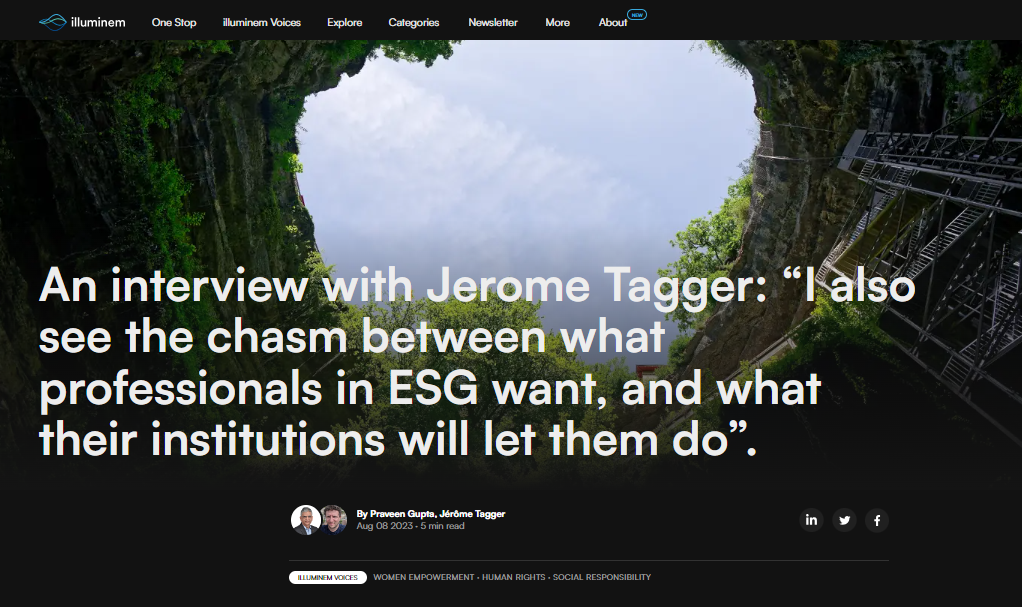
Jérôme Tagger – CEO of Preventable Surprises – shares with me some compelling insights as to why it is critical for #investors to act on women’s health. The provocation is timely and far-sighted.
The think tank’s recent discussion note explains “why not?”: Women and men have different healthcare needs, it highlights, but an equal right to live healthily. Yet, #women and #girls’ health, and their experiences of and access to comprehensive #healthcare, is at great risk.
For those in need of business arguments – it reminds – “let us note that healthy women are more productive, enjoy greater work participation and less absenteeism; in the economy. They can drive sustained economic growth; and in society, they strengthen families and communities”.
“With notable exceptions, the #gender lens is absent from health frameworks and discussions, and the health lens is absent from gender frameworks or discussions. Neither is women’s health to be found in #ESG approaches”.
Should this exercise be limited to the US or do the questions remain only relevant for investors who have embraced #stewardship? As we speed towards not one #polycrisis – but multiple – the implications are global.

Jérôme Tagger explores the intersection of financial markets and society. He joined Preventable Surprises as CEO in 2020 after 15 years of field building in responsible finance. He was a Director at the Global Impact Investing Network, the founding COO of the UN-backed Principles for Responsible Investment (PRI), Head of Research at Eurosif and Chief Revenue Officer at ImpactAlpha. He most recently advised UNEP FI’s Positive Impact Initiative and the World Benchmarking Alliance.
Praveen Gupta: What steps and actions can investors take to give women’s health a suitable and effective place among their ESG practices?
Jerome Tagger: We started exploring this topic after the US Supreme Court changed the Federal rules of the game on abortion. It was a momentous event for people and for business, and we wanted to understand the ramifications of this decision. This opened a much larger discussion about health and women’s health specifically – a set of questions with significant social and economic ramifications. We observed that women’s health as a topic is largely absent from the ESG and corporate responsibility conversations and reporting frameworks.
From there, our guide outlines concrete steps investors can take learning – for its own sake but also to socialize often taboo questions on women’s health and reproductive health, and to access lessons learned from investors on other issues. That, by the way, is where we had to start ourselves. Setting priorities – in terms of policy and portfolio focus. Acting on ESG data provision, on processes, on shareholder engagement. We include a set of guiding questions that investors can ask companies. And activating systems – to set agendas, in collaboration with others, to ensure society establishes what good looks like in terms of women’s health and the role of the private sector, and to ensure that the most at-risk populations are not left behind.
We observed that women’s health as a topic is largely absent from the ESG and corporate responsibility conversations and reporting frameworks.
But really the most crucial step, whenever it takes place, is for investors to decide if they want to do something about it. On that front, we are grateful for the leadership of organizations such as Rhia Ventures and investors who are out in front challenging the private sector and society. We are also grateful for the support of DAWN Worldwide in enabling our project.
PG: Why has it taken so long to focus on women’s health?
JT: With some exceptions, mainstream institutional investors move slowly, they primarily focus on protecting their reputational risk. It will take continued pressure from campaigners to make progress. Add to this the overwhelming role of men in leadership in finance, and we have our work cut out. I have to say, some of our usual friends have been notably silent on this topic.
PG: US Supreme Court’s June 2022 Dobbs v. Jackson decision does not fit into the mainstream of corporate sustainability and ESG practice?
JT: I think of the children’s book, “we’re going on a bear hunt,” with its famous chorus: “can’t go over it, can’t go under it, we’re gonna have to get through it.” Meaning, you can’t really overcome it if you are in the US. You can on a strategic level take a different orientation, but the reality here is that the Dobbs decision will be the anchor of much of women’s health landscape for the foreseeable future. Elsewhere, that’s a different story and there will be other ways for investors to enter the fray.
PG: What kind of systems ought to be activated and any particular challenges enroute?
JT: There is an opportunity to have a much more active stakeholder dialogue on women’s health between the private sector and NGOs. That is one worth focusing on. There is very little in the way of shared goals, no general agreement on what good corporate practice looks like for example, and more broadly what it takes for women to strive in society. This requires a groundswell. The challenges will be those faced by women since the beginning of time in many societies – there isn’t really a simple “on/off” switch for that.
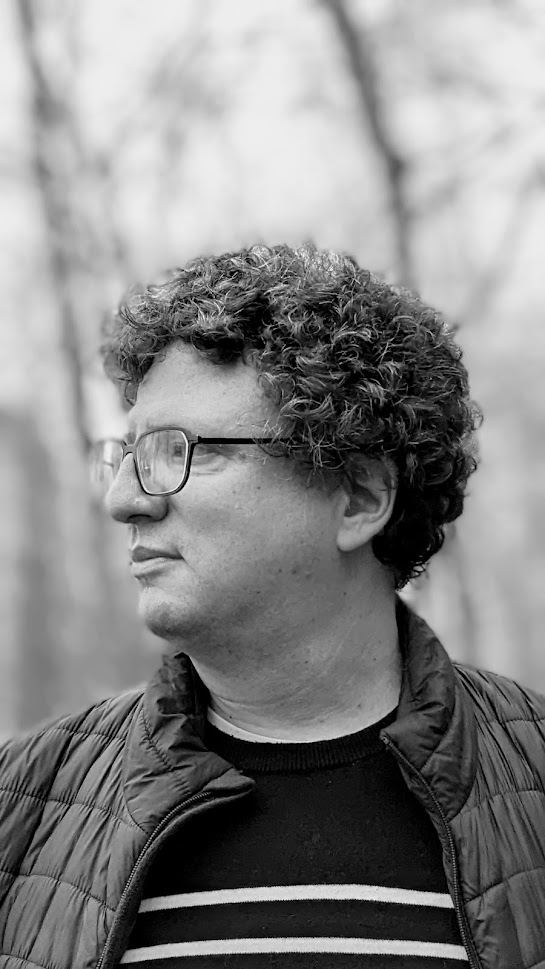
This requires a groundswell. The challenges will be those faced by women since the beginning of time in many societies – there isn’t really a simple “on/off” switch for that.
PG: A roadmap to making women’s health an integral part of ESG practice is not just about navigating through the red and blue states?
JT: Absolutely, which means navigating a range of cultural, social, and political systems. In absolute terms, many more humans are concerned. This merits its own focus.
PG: Do you see any wakeup signs within institutional investors? What kind of stewardship is expected?
JT: I do. Not nearly enough, but I do. I also see the chiasm between what professionals in ESG want, and what their institutions will let them do. That has always been true on well-trodden issues like climate change, but on gender questions writ-large there is a lot of pent-up energy that is working to liberate itself. I mentioned our report proposes questions that investors can ask of their portfolio companies to initiate a dialogue. That would be a good place to start as far as stewardship is concerned.
PG: Is there an adequate spotlight on the intersection of race, gender, and health?
JT: There isn’t.
PG: Do you see litigation driving desired change?
JT: In America you can always expect litigation to drive change, for better or for worse.
PG: Many thanks for sharing your candid thoughts, Jerome. My best wishes in your ongoing endeavours to ensure such a critical outcome.
“For me plastic is not the main problem. It is a symptom of a problem that plagues our world today.”
July 27, 2023
My blog interview with Garima Poonia as published by Illuminem.com.
https://illuminem.com/illuminemvoices/an-interview-with-garima-poonia

“I am not scared. I am terrified” tells me Garima Poonia, in this conversation.
And why not? The state of our oceans continues to deteriorate rapidly. Ocean heating, acidification, pollution, Arctic and Antarctica meltdown, rising noise levels, cetaceans beaching – the list keeps growing exponentially. The Atlantic meridional overturning circulation (#AMOC) is a large-scale overturning motion of the entire Atlantic, from the Southern Ocean to the high north. Scientists say: “The AMOC is a big deal for climate”. Some like David Crookall, Howard Dryden, Michael Mann, Roberta Boscolo, Katharine Hayhoe keep reminding us day and night – of what could be coming our way if we fail to act.
An urgent rescue operation is underway to save Florida coral species from extinction as a mass bleaching event and die-off from unprecedented water temperatures spreads across reefs in the Florida Keys, reports CNN. The state of the Great Barrier Reef does not make news anymore.
Is there hope in the form of the first-ever legally binding international treaty governing the high seas – Biodiversity Beyond National Jurisdiction (#BBNJ) Treaty or High Seas Treaty? Or, by the way of a plastics #treaty, which should become the first legally binding international instrument aimed at curbing #plasticpollution at a global scale?
Just when a section of observers seem to be giving up on #mitigation and making a case for #adaptation. Just then some corporations and countries seem to be getting all set to mess up with the #seabed. And the forthcoming #COP does not inspire confidence in the prevailing #multilateralism.
We surely need more #women in Climate leadership roles and entrepreneurial mitigation of the climate crisis powered by the young inheritors of our beautiful Planet.
Garima demonstrates how she and her team are working to keep the Andamans pristine and trash free.
The Journal, Chartered Insurance Institute
July 6, 2023
https://thejournal.cii.co.uk/2023/07/06/polycrisis-opportunity-be-future-ready

In this blog-piece for the Journal of Chartered Insurance Institute, I allude to “Leadership in the Polycrisis: How UK Defense Training Can Help Us Navigate a Future of Unprecedented Environmental Disruption”.
That the record-breaking temperatures in much of the world are being driven by #emissions of heat-trapping gases is mainly caused by the burning of #fossilfuels is an established fact.
“They [fossil fuel companies] have produced no solutions that are scalable or remotely feasible. And they’ve actively fought against the solutions that others are trying to bring”, Al Gore has recently reminded us.
“I thought fossil fuel firms could change. I was wrong”, confesses Christiana Figueres.” The fossil fuel industry,” she says, “will have powered human development in the 20th century and then destroyed it in the 21st century.”
“We face an epochal, unthinkable prospect: of perhaps the two greatest #existential threats – environmental breakdown and food system failure – converging, as one triggers the other”: George Monbiot.
After ten thousand plus years of stable environment, the ground is now moving. “We face an epochal, unthinkable prospect: of perhaps the two greatest existential threats – environmental breakdown and food system failure – converging, as one triggers the other”. Reminds Damian Carrington of The Guardian.
Yet the money-pipeline (asset managers, banks and insurers) continue to invest in the segment. Insurers continue to insure them, as well.
Despite the onset of what is here to stay – #Polycrisis – insurers remain warped in silos and linearity. With the demise of #NetZeroInsuranceAlliance – some still wish to pretend their adherence. Insurers need to draw Polycrisis not only into their jargon but practice, as well. Its complexity, immensity and diversity threatens the very existence of the industry. Walking away from redlined segments is only the beginning of an end.
The report findings I allude to – “believe that emerging leaders from any setting wanting to enhance their capacity to manage the consequences of a more chaotic world are likely to benefit from adapting some of the approaches to leadership development used across the defense community”.
My blog interview with Aarti Khosla as published by Illuminem
July 18, 2023


Garima Poonia is founder of THE KACHREWAALE PROJECT (TKP) – Andaman Islands’ first solid waste management (SWM) project aimed at reducing methane emissions and marine pollution. The project undertook one of Andaman’s first underwater clean-up drives to mitigate climate change via conservation of coral habitats.
Garima is also a Program Director of THE KACHREWAALE FOUNDATION – India’s first such program on Ocean Plastics recovery and advocacy. It is conducting a study on marine litter to understand origin and types of plastic that come to Andaman beaches. Also creating long term frameworks for marine litter recovery and funding, applicable for coastal areas in India. It generates awareness regarding marine litter crisis in Andamans for local communities and people from South-East Asia.
PG: What beckoned you to the ocean?
GP: I hail from the north-western India, my father from Rajasthan and mother from Haryana. Most of my school vacations were spent in a village in Rajasthan, where till date, there is no public transport connectivity.
In 2017, I had just wrapped up a project in Jamshedpur, focused on revamping the city waste management system by inclusion of waste pickers. My parents and I were planning a vacation after this, and I had wanted to learn scuba diving for a long time. That was the first time I came to the Andamans, Feb 2017. As far as life changing moments or trips go, this was one of those, and more. It was the start of a journey, as much as within as outside.
I have several beautiful memories from diving. However, one that stands out is when I was swimming in the ocean, between two dives. No scuba gear, just a mask and fins. It was the first time in my life I had swum in open ocean, by myself. The ocean was very kind, crystal clear, a bright sunny day, and waves that were like playful and gentle nudges. I looked at the bottom of the ocean, and there were no fish, but just the way the sunlight entered the ocean and turned into columns of golden lights, sharp and fading at the same time, it was an endless moment. The taste of salt in my mouth, the warm embrace of the ocean, the blues, the sound of the ocean, these experiences can never be translated into words or language.
I was content, but then came a huge school of Moorish idols. Hundreds. A few meters below me. Just as I thought the ocean had gifted me enough, came a giant school of hundreds of Barracudas. Thin, long fish that were about a meter long, with thin, straight lines, parallel to each other, on their bodies.
What I felt in those moments was an unending awe for the ocean, for this world. But there was one last spectacle. Thousands and thousands of diamonds or mirrors that started coming towards me and were slowly all around. Only when they came closer, I saw that they were small silver fish, reflecting sunlight like the shiniest jewels. I was swimming right in the middle, surrounded. It is in moments like these that one gets a glimpse of God. Without realising it, I did.
Someone who hails from the desert, had found love in the ocean.
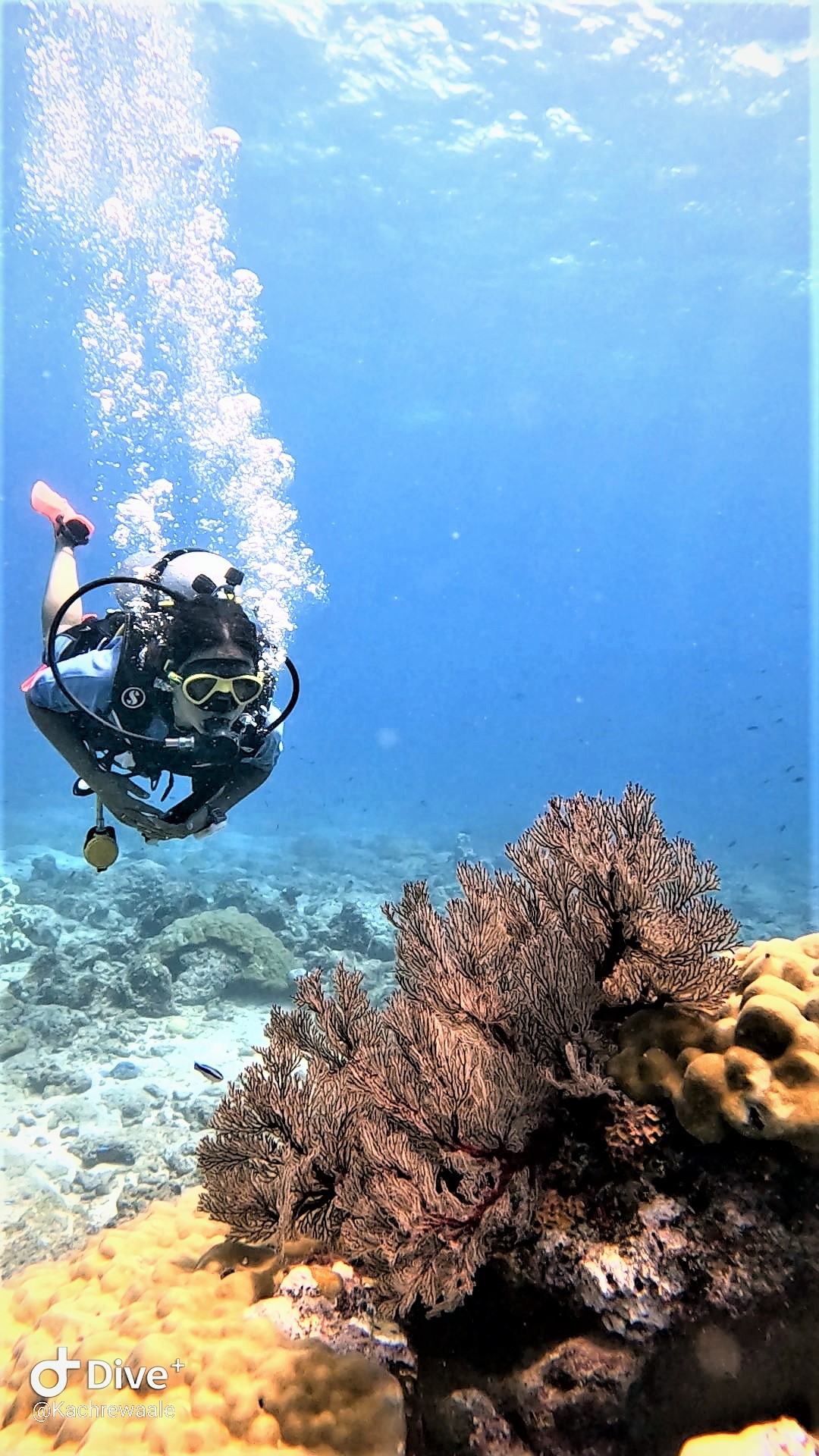
“It is in moments like these that one gets a glimpse of God. Without realising it, I did”.
PG: And what got you back?
GP: Perhaps my first conscious memory of the sea is from Kanyakumari and then Mumbai. I was perhaps 3 years old when I visited the former, an ocean raging in waves. In Mumbai, I remember sitting on the beach, and feeling delighted with how the waves kept coming at me. My parents had to work really hard to keep me from walking off into the water. My father learnt swimming in a waterfall, after nearly drowning twice. When I was five, my sister and I were thrown into deep end of the pool. We learnt the same way he did.
Swimming and spending time in the water quickly turned into the best play time for me. As I grew up, watching shows about the ocean on Nat Geo or Discovery, reading about the ocean, and simply thinking about it, created a longing to be near it. The desert in me longing for the ocean that covered it once, millions of years. Call it fantastical thinking. But it was there, and scuba diving was simply an excuse to spend time in the ocean. The trip to Andamans just put a seal on it. It ensured that I was so entranced that I would come again. And with an aim of doing something for it.
PG: What is ‘Kachrewaale’ Project about?
GP: I never thought I would have a foundation of my own. I started ‘The Kachrewaale Project’, as an initiative aimed at finding and implementing solutions to the vast problem of waste in the Andaman Islands. It was very shocking to me that such a gorgeous and fragile place had no systems in place to manage waste. Burning and dumping were rampant. I had seen dumping grounds before, but somehow even a small dump in this beautiful place had a much larger impact on me than what I had seen in urban, mainland India.
In a few months of its inception the Project was able to successfully implement a pilot, wherein waste from rural Andamans was shipped off to the mainland. It was the first time in the history of rural Andamans that something like this had happened. The system was also incorporated and scaled by the local government.
The Andaman Islands have gently but firmly guided our decision to continue working on preserving this unique ecosystem by trying to reduce the impact of ill managed waste.
Today the Project has grown into the Kachrewaale Foundation. The Andaman Islands have gently but firmly guided our decision to continue working on preserving this unique ecosystem by trying to reduce the impact of ill managed waste. Our latest program is about understanding the scope of marine litter, especially plastics, that travel thousands of kilometres from nearly twenty countries, to land up on the shores of Andamans.
Our conservative estimate after this project is that the islands receive hundreds of kilos of marine litter every week, perhaps even daily. Beach clean ups and underwater waste recovery is one of the ways we try to get as much as waste out as possible. Such clean ups by themselves are not the solution, we need to stop dumping waste in the ocean and produce much less as a species. However, even if production stopped today, there would still be an unimaginable amount of waste in the ocean threatening both marine life and humans. And thus, we are trying to raise awareness among the locals, especially children, so they understand what they stand to lose.
Going forward, the Foundation hopes to continue such work in different parts of the Andamans. We are also planning to expand our activities and interactions with locals and tourists alike. It is often the most fragile places, located in the remotest areas that feel the burden of ill managed waste. It is imperative that such places get the attention they deserve so they do not end up turning into mountains of waste.
PG: And how did the rights and duties related to waste management come about?
GP: For me plastic is not the main problem. It is a symptom of a problem that plagues our world today. Short sightedness and greed. Hardly any of us realise the life cycle of plastics; how oil is extracted, how plastics are made, the twenty thousand chemicals used to manufacture such plastics, their impact on environment and human health, the energy footprint of mass-producing plastic packaged goods and transporting them for consumption to different parts of the world.
The first time I found out that not all plastics are recyclable, I made some drastic changes to my lifestyle. In nature, nothing goes to waste, everything is truly circular. Waste is a complete anti-thesis to a circular system. It has also been, one of the most neglected areas of intervention when it comes to climate change. It was all these thoughts that drove me to understand this problem and try to find solutions. Both at a personal level and at scale. I have moved to making my own bath powders, shampoos, cleaning agents, mosquito repellents etc, in an attempt to live a more mindful life, and to advocate the same.
PG: The corals faced two massive bleaching events in 2010 and 2016. This being an El Nino year – does it scare you?
GP: After COVID, in certain areas, we have seen some corals recover. And even fish life seems to have recovered a little from before, at certain reefs. The monsoons have come now, and not much diving will happen till about October. I am not scared. I am terrified. What will we see in October? Or next year? Documentation about reefs in the Andamans is sparse. Will this turn into another anecdote that no one will care about?
This summer, there were several nights I had to sleep in wet clothes, or the floor, just so I would feel less heat. I have never felt like this in the Andamans. I wondered, what the corals and the fish were feeling.
This summer, there were several nights I had to sleep in wet clothes, or the floor, just so I would feel less heat. I have never felt like this in the Andamans. I wondered, what the corals and the fish were feeling. When we get a fever, a spike of one or two degrees can make functioning very hard. And if that sustains over days, we humans we are left utterly spent and exhausted, and if the fever doesn’t go down, we can die. Imagine what must the marine life be going through?
Weeks and months of high temperatures, days when we entered water and we felt it was too hot. As per visual observations of some divers, some of the corals had the kind of colours they show just before bleaching or dying. A last cry for help, visualised in the documentary Chasing Corals. So, they are shouting, screaming as well as they can, telling us they are dying. As one person, as one foundation there is only so much that can be done.
We are not just who we are as singular people. We are all made up of all the relationships we have. Not just with humans, but with other creatures we share this planet with. I am scared of coming back and finding a part of myself missing. Of finding less corals, less fish, less life in the ocean.
PG: Does the prospect of rising seas worry you? How about the locals?
GP: Yes, ever since I first visited the islands, I have wondered how much time they have. As per an IPCC report, the islands may not be habitable by as early as 2050. Neil, the island where most of Kachrewaale’s work is based out of, does not have much high ground. Several islands in the Nicobar group of islands are also very flat. Sadly, however, when it comes to the locals, there is hardly any awareness about this. And it’s not just the prospect of rising seas.
As the temperature rises, the ocean chemistry changes many ways. We are losing more and more marine life. The locals as well as the tourist industry are heavily dependent on the ocean for food and tourism. Who will come to Andamans if the corals are all dead and there is hardly any aquatic life? How will people adapt – when more than 90% of the population depends on fish as a main source of food?
PG: What next?
GP: When Kachrewaale started as a project, I had not started of registering a foundation. It was only through the work that I realised that the islands need more systematic intervention with respect to waste management.
Our latest program is focused on understanding marine litter, as a country we know so little about the waste that comes to our beaches from other countries. Further, recovery efforts are few and far between and often do not focus on what happens to the waste once it is recovered. There have several instances across India where money and resources have been spent to clean beaches or sometimes to recover ghost nets, but once recovered, all the waste is left at the beach or best case, diverted to a landfill.
For the immediate future, a core focus area for the Foundation is to design and set up systematic interventions for marine litter. This also means that we will be showcasing the unique data we have collected with regards to marine litter, to different agencies and government departments so it can be used for policy interventions. This goes hand in hand with the work we are doing with local community.
Children have been an important part of our activities and this year we have piloted some activities with them wherein some of them got to dive and see corals for the first time.
Children have been an important part of our activities and this year we have piloted some activities with them wherein some of them got to dive and see corals for the first time. We have taken them for beach clean ups, and informative sessions about the ocean. We want to scale these initiatives, so they have a chance to look at the ocean as more than a commercial resource that provides food and makes marine tourism possible. It is our hope that they will come to care for their islands a little more.
In the long term, Kachrewaale may also take up similar work in other remote parts of India where waste management remains a dream. We like to work in areas that are tough, challenging, and where often nobody else is working. These are also the places that require the most attention due to their ecological fragility.
PG: Best wishes for all that you aspire to do, Garima.
 The Diversity Blog