illuminem
June 9, 2025


Clive Scott’s latest video: ‘Introducing Vanilla Riot’ – Victoria’s New Favourite Party/Event Band! https://youtu.be/u7Axc-Nz5ew?si=z-2P0lLvi5EYikXX
Full text of the interview: https://illuminem.com/illuminemvoices/in-conversation-with-clive-scott-on-flight-music-and-climate
Sanctuary Nature Foundation/ LinkedIn
June – July, 2025
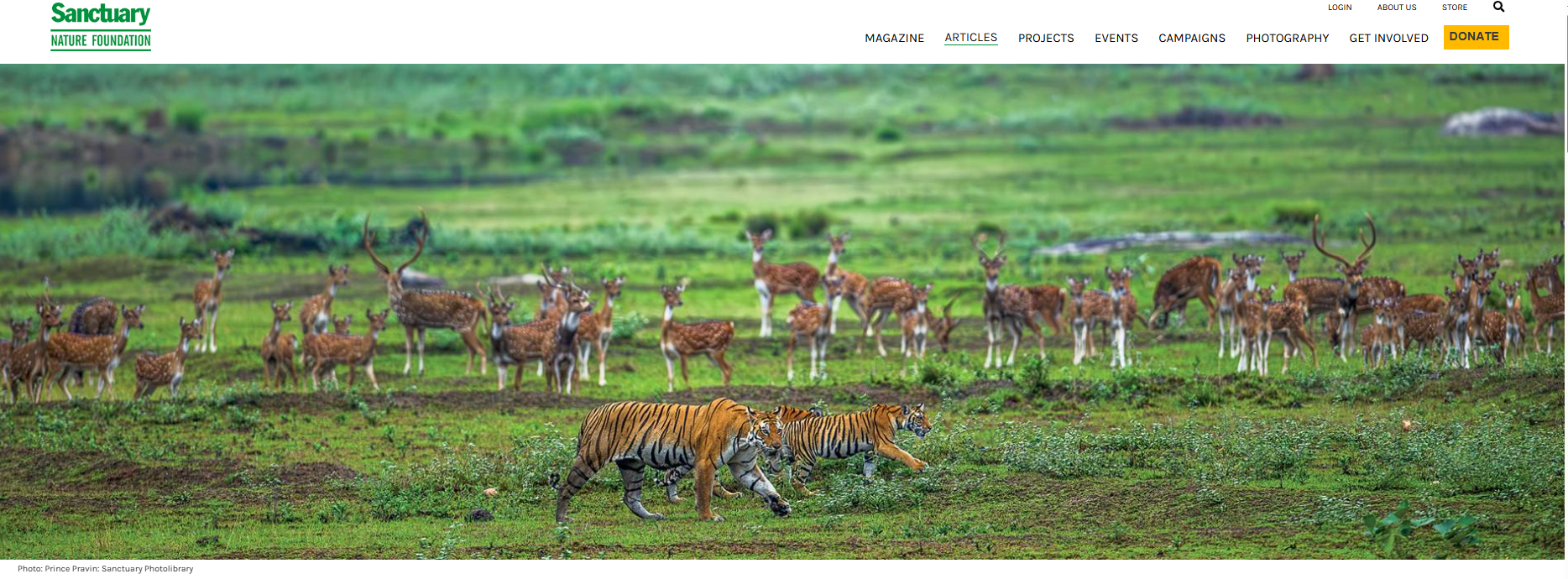
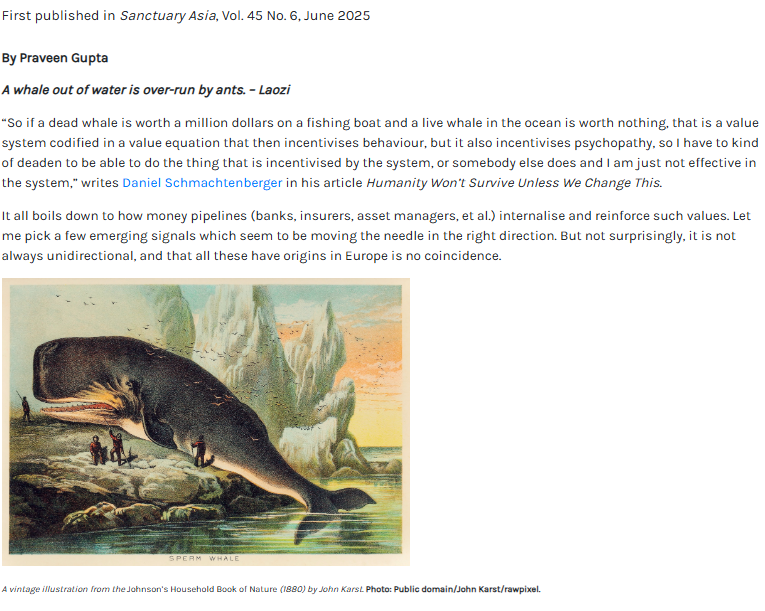
Article link: https://sanctuarynaturefoundation.org/article/if-they-thrive%2C-we-thrive
LinkedIn Post:
https://www.linkedin.com/feed/update/urn:li:activity:7336753162290089984/

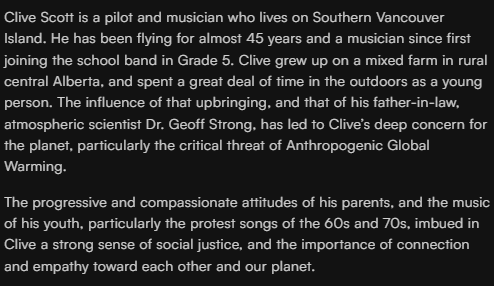
Clive Scott is a pilot and musician who lives on Southern Vancouver Island. He has been flying for almost 45 years and a musician since first joining the school band in Grade 5. Clive grew up on a mixed farm in rural central Alberta, and spent a great deal of time in the outdoors as a young person. The influence of that upbringing, and that of his father-in-law, atmospheric scientist Dr. Geoff Strong, has led to Clive’s deep concern for the planet, particularly the critical threat of Anthropogenic Global Warming.
The progressive and compassionate attitudes of his parents, and the music of his youth, particularly the protest songs of the 60s and 70s, imbued in Clive a strong sense of social justice, and the importance of connection and empathy toward each other and our planet.
Praveen Gupta: Does composing music still excite you more than playing or singing?
Clive Scott: I still enjoy composing, but playing live to an appreciative crowd is the best. When the band gets “in the pocket” and the dance floor is full it’s a wonderful, energizing feeling.
PG: What is it about music and flying that awakens your concern for climate?
CS: Flying across Canada and watching its forests burn is a climate wake-up. Music doesn’t trigger concern, although it helps express the feeling of sorrow because of environmental disaster.
PG: How soon do you see flying transforming as environmentally friendly?
CS: There are some big challenges to making commercial aviation sustainable. Sustainable Aviation Fuel at the scale required is problematic. I think it will be some decades and need some big advances in lightweight energy tech and or fuel before aviation reaches net-zero.

“The growing awareness of the large CO2 footprint inherent in jet aviation has certainly spurred a desire to become more involved in the climate movement… Interestingly, COVID 19 has shown us that much of airline travel, while desirable, is not essential”
PG: How is your cover band and the acoustic project doing?
CS: The acoustic project is on hold for now – just not enough time. Both bands are doing well and gaining a good reputation on Vancouver Island. Latest video here: https://youtu.be/u7Axc-Nz5ew?si=z-2P0lLvi5EYikXX.
PG: Do you see any popular resistance to the extractive and fossil fuel business in the beautiful BC and Alberta provinces?
CS: Yes, particularly in the urban areas and from the Indigenous communities. A series of extreme fire seasons has people very concerned.
PG: Was your composition ‘Killers in Suits’ meant to be a commentary on capitalism?
CS: “Killers in Suits” is more a comment on greed. It addresses the darker side of capitalism, the institutionalized and untrammelled greed that always prioritizes profit and ROI over all other concerns. (The one drop rhythm is a little nod to the social justice songs of the Jamaican reggae genre’).
PG: Mark Carney’s ascendancy as the Prime Minister raises the expectations from Canadian leadership (in the global community)?
CS: So far Mr. Carney has performed reasonably well, and seems to have an understanding of the science underlying climate changes, and the risks of delaying action. If he can incorporate the values he lists in his book “Value” into Canadian economic and environmental policy he might become our best leader so far. I worry that the Liberal government (and the Conservatives too) are too embedded with the Canadian corporate establishment.
PG: Clive, may your inspiring music keep nurturing the causes deserving most attention today.
May 27 – 28, 2025
Honoured for participating in this important panel discussion. The timing could not be any better – with much of Indo-Gangetic belt experiencing mercury rising close to 50 C. Excellent effort by Aarti Khosla of ‘Climate Trends’ and the wonderful team.
The excessive heat leading to the rising Planetary fever is an outcome of growing energy imbalance. Quoting renowned environmentalist Bill McKibben: we are now witnessing 400000 Hiroshima bombs equivalent of extra heat trapped per day. Our oceans which absorb 90% of the heat – are as a result boiling. However, we are paying scant attention to the most critical climate regulator/s. Six of the nine planetary boundaries have been breached and the earth systems are under serious pressure.
Regrettably, we remain conditioned to end such discussions on a ‘positive’ note. That sounds akin to the band playing on a sinking Titanic.


In conversation with Archana Chaudhary, Vaibhav Dange and Deven Pabru

illuminem
May 13, 2025
https://www.linkedin.com/feed/update/urn:li:activity:7328629180600893440/:
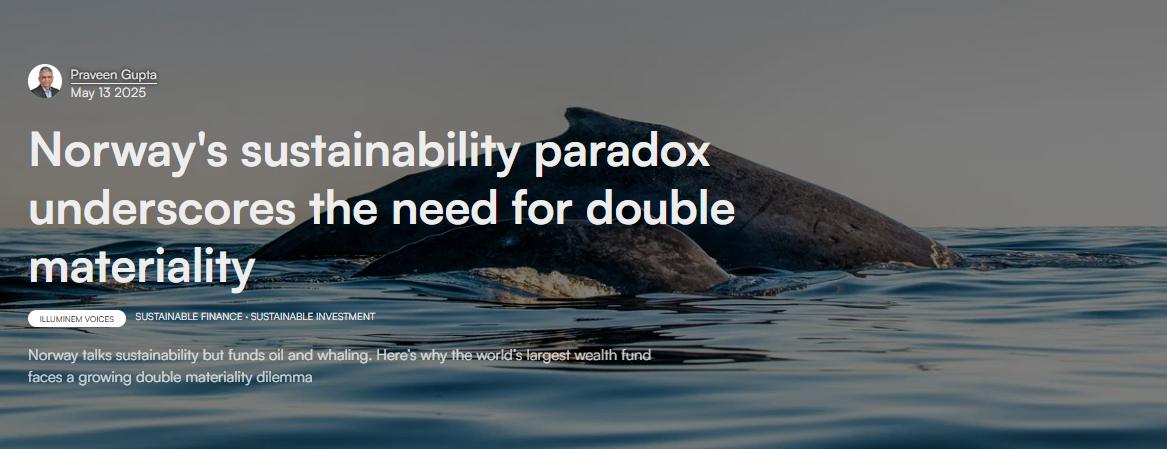
In this Op-Ed for illuminem, I touch upon a #doublemateriality storm hitting Europe. All money pipelines beware!
The Norwegian Sovereign Wealth Fund – the world’s largest – having assessed 96% of its portfolio for #naturalcapital risk, now runs into this storm. Like it, this development will compel other entities to evaluate both sustainability impacts on financial performance and #societal/#environmental effects.
Norway recently awarded stakes in 53 offshore #oil and #gas exploration to 20 companies. According to its energy ministry, the next round would focus on the hyper sensitive Arctic region.
The International Energy Agency (#IEA) has opposed Norway’s plans to expand its petroleum production. Stating that “no new fossil fuel production projects are compatible with limiting global warming to 1.5C.”
The Norwegian government has also announced that 1406 #whales can be slaughtered this year – an increase from 1,157 individuals in 2024 – despite the demand for whale meat falling in the country.
“The disproportionate killing of pregnant female minke whales is particularly alarming”: says Katie Hunter. The whale hunting issues in Norway highlight the challenge of balancing economic activities with environmental care.
Double materiality demands not only portfolios are not unduly impacted by natural capital but also do not adversely impact natural capital. All eyes will now be on Norway’s sustainability paradox.

The Journal, The Chartered Insurance Institute
April 10, 2025

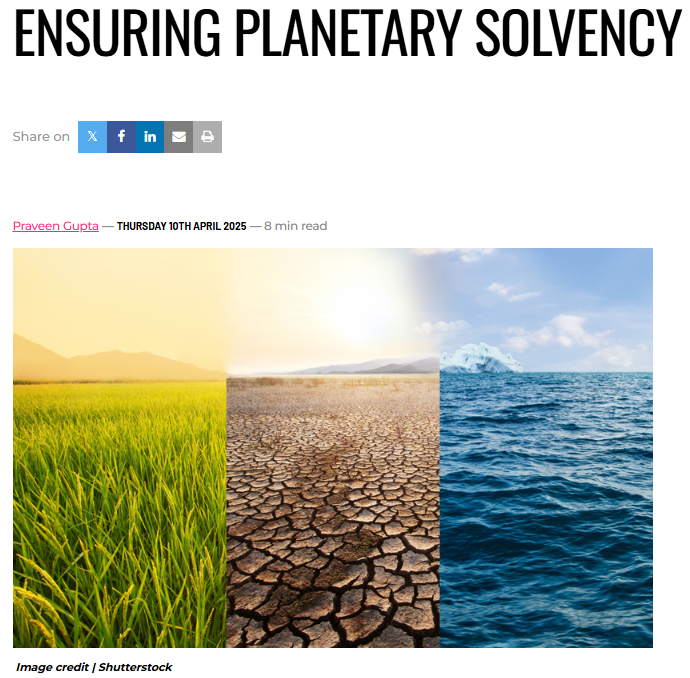

https://thejournal.cii.co.uk/2025/04/10/ensuring-planetary-solvency

Linkedin: https://www.linkedin.com/in/praveenguptafcii/recent-activity/all/
My Op-Ed for The Journal of The Chartered Insurance Institute.
The estimates keep rising: “The global economy could face a 50% loss in domestic product (GDP) between 2070 and 2090 unless immediate policy action is taken to address the risks posed by the climate crisis. Populations are already being impacted by food system shocks, water insecurity, heat stress, and the spread of infectious diseases. If left unchecked, the likelihood of mass mortality, large-scale displacement, severe economic contraction, and conflict increases.”
As #climatemodels increasingly tend to be overwhelmed by climate events, the drivers of this inadequacy have been laid bare by a pre-eminent actuarial body – Institute & Faculty of Actuaries (#IFoA) in their recent release: Planetary Solvency – finding our balance with nature. For a change a critical function of insurance – actuarial science – converges into climate science. I allude to the brilliant work of Professor Johan Rockström on planetary boundaries.
Sandy Trust, lead author: “Nature is our foundation, providing food, water and air, as well as the raw materials and energy that power our economy. Threats to the stability of this foundation are risks to future human prosperity which we must take action to avoid.”
A ‘Planetary Solvency Risk Dashboard’ – developed by IFoA in collaboration with University of Exeter – makes it possible to visualise and assess the risks of exceeding planetary boundaries. It includes a novel risk commentary on nature, society and economy.
What next? After this spot-on diagnosis by IFoA, would insurers choose to follow their prescription? Or would they merrily continue in a #BAU mode? Thereby leaving behind a legacy of aiding and abetting climate breakdown?

Desiree Lucchese is founding NED of Impact Alpha Partners (IAP) and is an advisor to the Responsible Investment Association of Australasia (RIAA). She collaborates with the Investor Group on Climate Change (IGCC) and Investors Against Slavery and Trafficking (IAST). Desiree is an Honorary Associate of the Finance Department at UTS Business School and in 2022-23 she was a future skills industry mentor with RMIT Online. Since 2011, she has been an Al Gore Climate Ambassador.
In the course of her consulting career, Desiree has successfully assisted companies and market participants in the collaborative design and delivery of corporate sustainability strategies & governance, stakeholder management, ESG integration and climate risk mitigation, adaptation plans, analytics & reporting.
As Sustainability Solutions Specialist at S&P Global, Desiree helped tailor sustainability solutions for a broad range of clients to better meet their business goals and needs. At MLC Life Insurance she reviewed and elevated the Group’s sustainability strategy and action plans’ initiatives. In fund management, she led a responsible investment strategy, with oversight for the integration of ESG data and climate risk analytics into the investment process alongside active stewardship responsibilities. These included direct engagements with portfolio companies, collaborative engagements with industry peers and advocacy initiatives.
Praveen Gupta: Despite the growing frequency and severity of floods in Australia, why would home owners be dropping coverage against flood?
Desiree Lucchese: Building homes in floodplains is one of the most acute and persistent challenges facing both climate adaptation and the insurance industry. Globally, increased rainfall intensity and sea-level rise are expanding flood-prone zones. In the UK, flooding’s impact stretches far beyond immediate damage to assets with nearly 40% of UK adults affected by flooding in their lifetimes – and one in four properties at risk by 2050.
The Climate Council reports that one in twenty-three of properties across Australia are already at high climate risk. In Australia and across the Pacific, a legacy of poor land-use planning has compounded the risk: many developments continue to be approved in vulnerable areas, driven by housing demand and political pressures at the local level. On the one hand, local and state authorities have not adequately re-zoned local development plans due to either conflicting interests or inertia.
The pressing needs to house residents is often mismatching the ability of strategic planning to respond and adapt
On the other, insurers have been pressed to balance the need to provide coverage with the financial realities of escalating claims. In 2022-23, for example, Australia recorded one of its highest insured losses ever from floods. I do not think home-owners have deliberately dropped cover but they have found themselves at the bitter end of changing insurance dynamics.
Without stricter zoning, better urban design, and resilient building codes, the insurance market will either withdraw or become unaffordable in these high-risk zones – an outcome already visible in certain parts of northern NSW and southeast Queensland. There is also the less discussed challenge of where and how to reconstruct following major disasters: the pressing needs to house residents is often mismatching the ability of strategic planning to respond and adapt.
PG: How would you rate exposure to wildfires?
DL: Exposure to wildfires remains extremely high, both globally and regionally. Climate change is intensifying fire weather: hotter, drier conditions and higher wind speeds are leading to longer fire seasons and more severe fire behaviour across temperate regions. Australia’s Black Summer fires of 2019-20 were a stark illustration, resulting in $2.4 billion in insurance claims and broader economic impacts many multiples higher.
Similar trends are evident in the western United States, Canada, southern Europe, and even previously less fire-prone areas. In the Pacific islands, while the risk of large-scale wildfires is generally lower, shifts in vegetation and land-use practices are increasing local exposure. Australian insurers now view wildfire risk as a “chronic” rather than “episodic” threat, and reinsurance pricing is starting to reflect this permanency.
The scale of risk now demands much greater investments and strategic planning
Investment in fuel management, early warning systems, and community resilience is critical, but uneven across jurisdictions. Planned burning in collaborations with Traditional Custodians – a land management practice where controlled fire is used, under carefully monitored conditions, to reduce fuels such as grass, leaves, bark, shrubs and fallen branches – has demonstrated over and over again the value of fire risk preparedness. The scale of risk now demands much greater investments and strategic planning.
PG: Do you see the risk of homes getting unaffordable and uninsurable – as in parts of the US?
DL: Yes, this is a very real and growing risk. In parts of California, insurers have either dramatically raised premia or exited markets altogether due to unsustainable wildfire risk. Australia is seeing similar dynamics emerge in high-risk flood and fire areas. In northern Queensland, for instance, cyclone and flood risk has already led to extremely high insurance premia, prompting government intervention via reinsurance pools.
Without stronger resilience measures, including land-use reform, government-backed mitigation & adaptation investment, and better data transparency, we risk seeing “insurance deserts” emerge – communities where cover is technically available but economically out of reach. This not only affects household budgets but also impacts property values, local economies, and social cohesion. The Pacific islands face an even sharper threat, as insurance penetration is lower to begin with, and sovereign risk pools like the Pacific Catastrophe Risk Insurance Company (PCRIC) are increasingly vital.
PG: Are insurers leveraging their investments to correct any adverse trends in your market?
DL: Yes, leading insurers are increasingly recognizing that their investment portfolios are powerful levers for systemic change. Through responsible investment strategies – such as ESG screening, thematic investing, and active stewardship – insurers can push for better climate resilience and sustainability outcomes. For example, major Australian insurers have joined alliances like the UN-convened Net-Zero Asset Owner Alliance, committing to align portfolios with the 1.5°C target.
The most sophisticated players are using scenario analysis and climate stress testing to ensure their portfolios are future-proof
In the Pacific, investment options are more limited, but there are efforts to channel capital into resilient infrastructure and renewable energy. Still, the scale of investment needed significantly dwarfs current flows. Climate megatrends – like deglobalization, demographic shifts, and technological disruption – are also influencing how insurers assess and price long-term risks.
The most sophisticated players are using scenario analysis and climate stress testing to ensure their portfolios are future-proof, although industry-wide consistency remains a work in progress. Other insurers drive risk-adjusted returns from the relative infrequence of predicting major loss events and therefore invest in alternative assets such as natural catastrophe reinsurance or Insurance Linked Securities (ILS). Whilst acknowledging its potential for driving some returns, these are in my view a form of ‘disaster capitalism’ and I think we have better ways to create positive futures.
PG: How would you rate the Australian market’s investments in community and business resilience?
DL: Some progress has been made, but not nearly at the scale or pace required. Climate risks and their impacts are a complex interaction of exposure, sensitivity, and adaptive capacity. These, in turn, determine the degree of vulnerability. Vulnerability is multi-faceted and needs to account not only for individual asset vulnerability but also for socio-economic factors and ecological vulnerabilities, the susceptibility of ecosystems to damage. The Australian federal and state governments have started shifting from a reactive to a proactive disaster management approach, notably through initiatives like the Disaster Ready Fund, which aims to invest AU$1 billion over five years in resilience projects.
Resilience funding still represents a small fraction of disaster recovery spending
Insurers themselves are also investing in community education, retrofitting programs, and risk research. However, resilience funding still represents a small fraction of disaster recovery spending – estimates suggest less than 3% of disaster-related expenditure in Australia goes toward pre-event mitigation. In the Pacific, challenges are even more pronounced, as many island nations face existential climate threats but have limited fiscal capacity for large-scale resilience investment. Effective public-private partnerships, improved building standards, and new insurance mechanisms will be crucial to closing the protection gap.
PG: Forthcoming elections – the Coalition appears intent on winding back the 2030 target if it is elected next month. Would it weaken the bipartisan commitment to net zero by 2050?
DL: Yes, weakening interim targets would pose significant risks. The 2030 targets are critical “stepping stones” to achieving net zero by 2050 – without ambitious short-term action, long-term goals become unattainable. From a global perspective, Australia’s credibility is already under scrutiny given its per capita emissions profile and reliance on fossil fuels. A rollback would damage international relationships (particularly with key trading partners like the EU and Japan), slow clean investment inflows, and expose Australian businesses to carbon tariffs.
For insurers, the implications are direct: slower emissions reduction means greater physical risk (more severe weather), transition risk (abrupt policy shifts later on), and liability risk (climate litigation). In the Pacific, where countries are already experiencing devastating climate impacts, any perceived retreat by Australia could also strain regional partnerships and undermine joint resilience efforts.
PG: Brilliant! I really appreciate these all round insights, Desiree. Best wishes in your efforts to keep Austalasia on track for a timely and successful climate transition.
Sanctuary Asia
April-May 2025
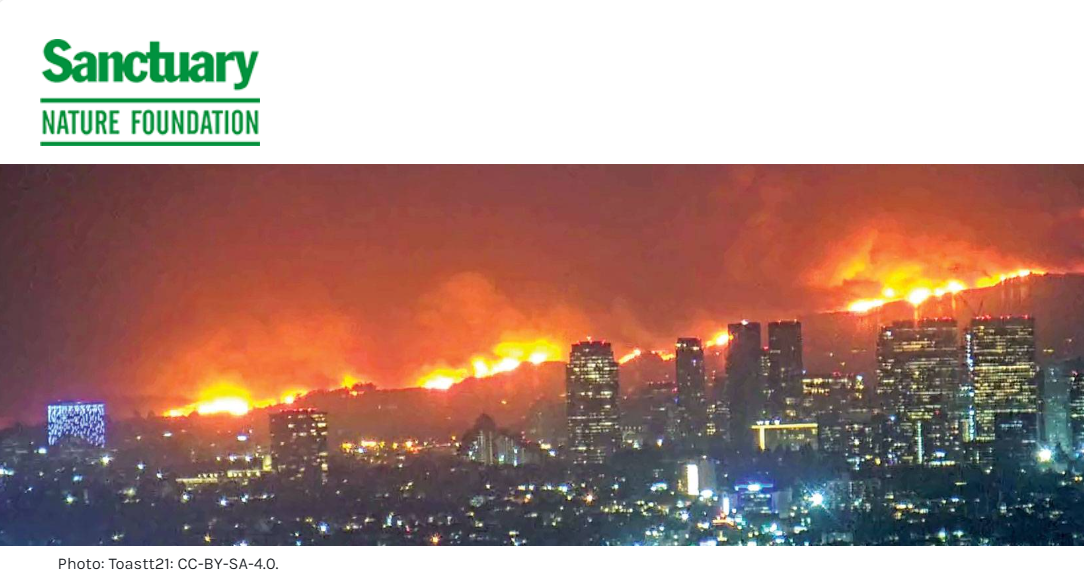
The link: https://www.sanctuarynaturefoundation.org/article/the-last-roar
Sanctuary Asia
April-May 2025


LinkedIn post: https://www.linkedin.com/feed/update/urn:li:activity:7313447498721714178/
Online version: https://www.sanctuarynaturefoundation.org/article/the-last-roar
 The Diversity Blog