A walk through the Ryewood Park…
November 23, 2026
Lonavala
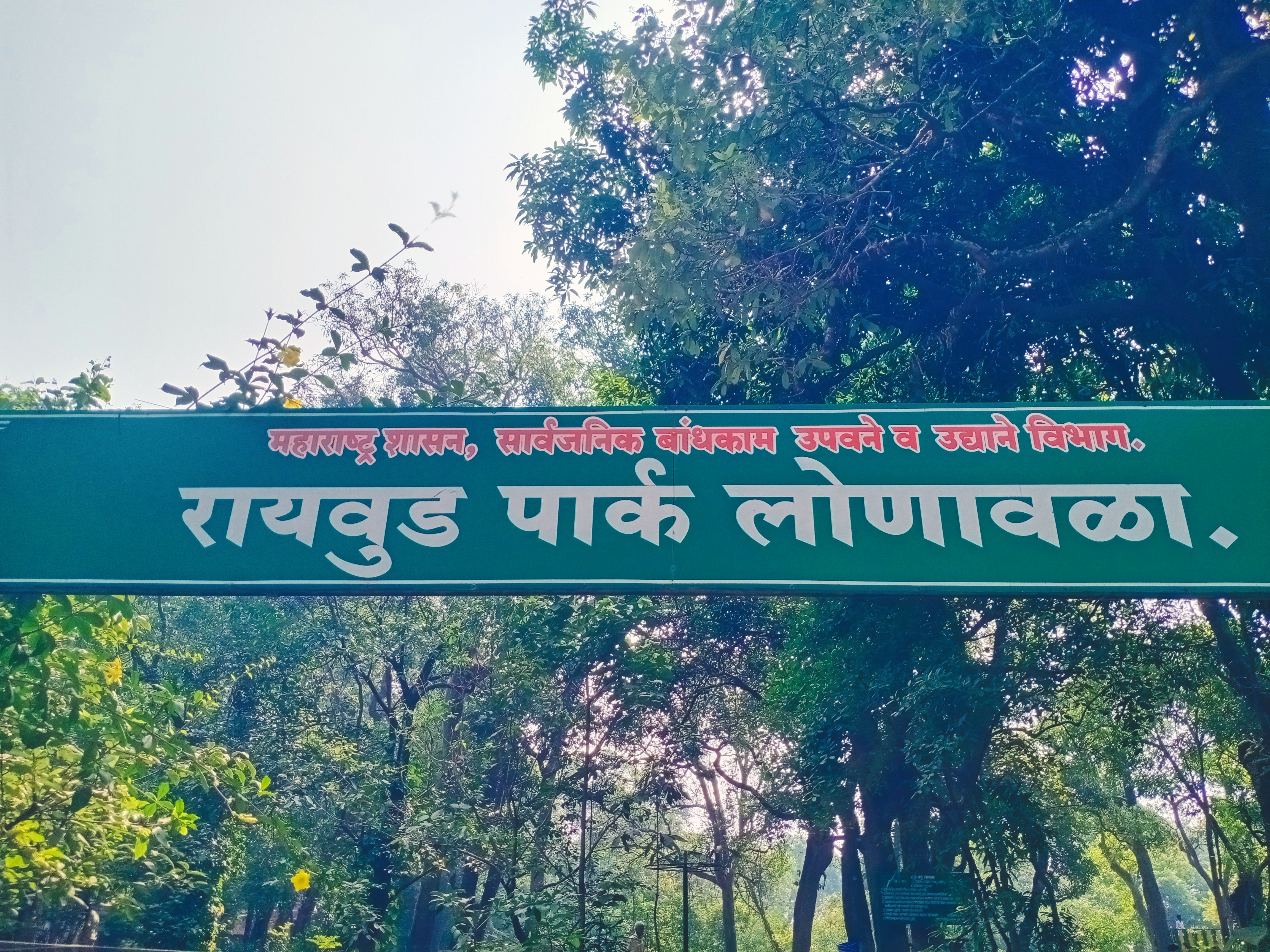
Driving past a host of Maganlal Chikki clones on the busy Lonavala Bazar Main Road – if you must turn into the lane leading towards the iconic Ryewood Park, rather look for the lone Coopers.
“Lonavala Grove” was the name used in botanical literature for the original grove or sacred forest patch near Lonavala that early botanists, including the renowned Alexander Gammie, studied in the early 1900s. Gammie was a Scottish botanist associated with the Botanical Survey of India and was part of the generation of colonial-era scientists who systematically catalogued the flora of western India. His records, therefore, form part of the earliest scientific documentation of the northern Western Ghats.
Gammie’s floristic survey documented 84 plant species across what are now referred to as the Lonavala Grove (Ryewood Park) and Karla Grove. Modern researchers used his records as a baseline to evaluate ecological changes over more than a century.
Ryewood Park is the later landscaped public park that occupies and incorporates much of that same site thanks to the changes in biodiversity over the past century. It has undergone transformation through garden development and urbanisation while retaining its historical significance. For environmental history, this distinction matters because the question is not whether the location changed, but how a native Western Ghats grove evolved into a landscaped hill-station park over the last century.
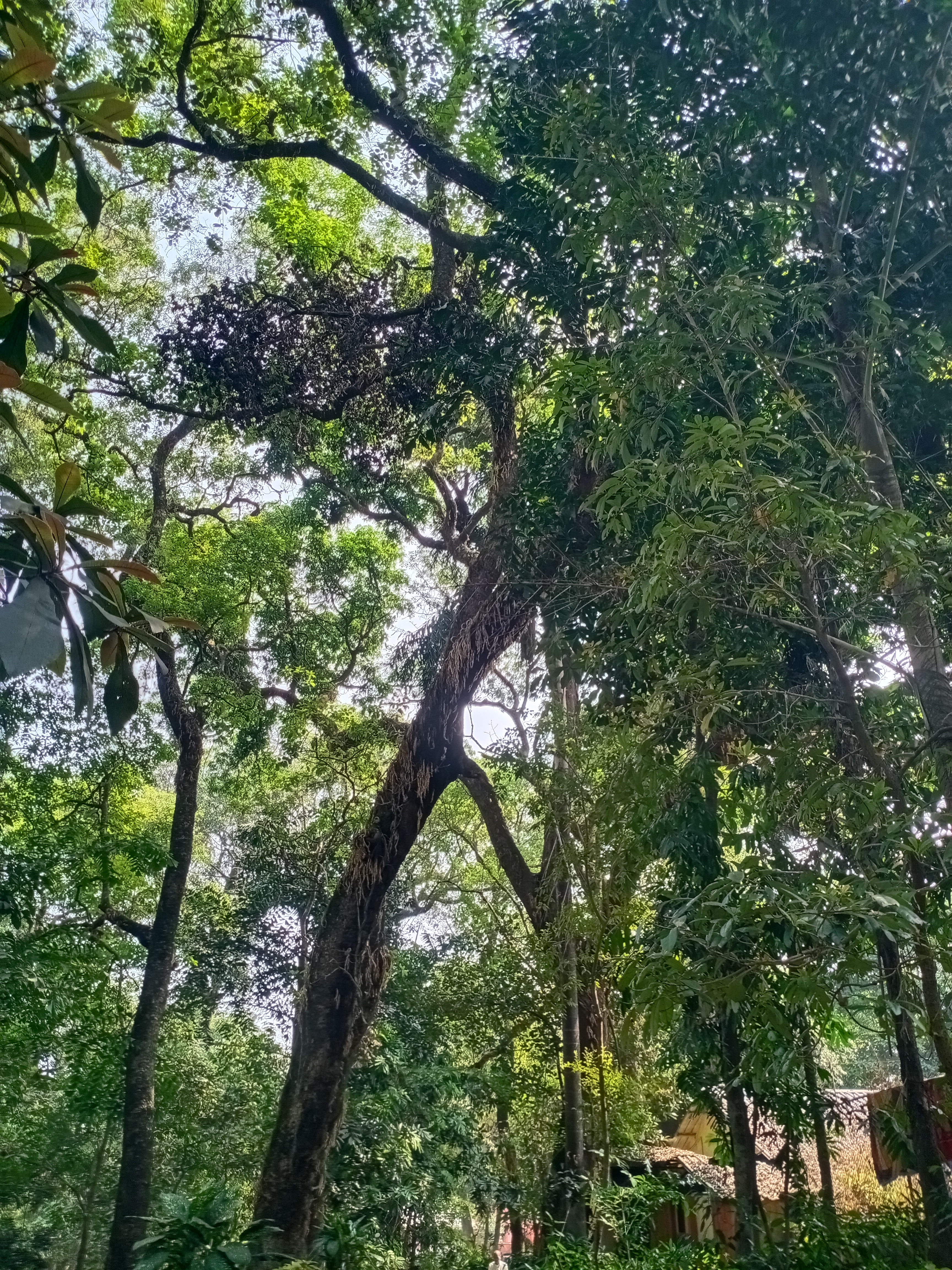
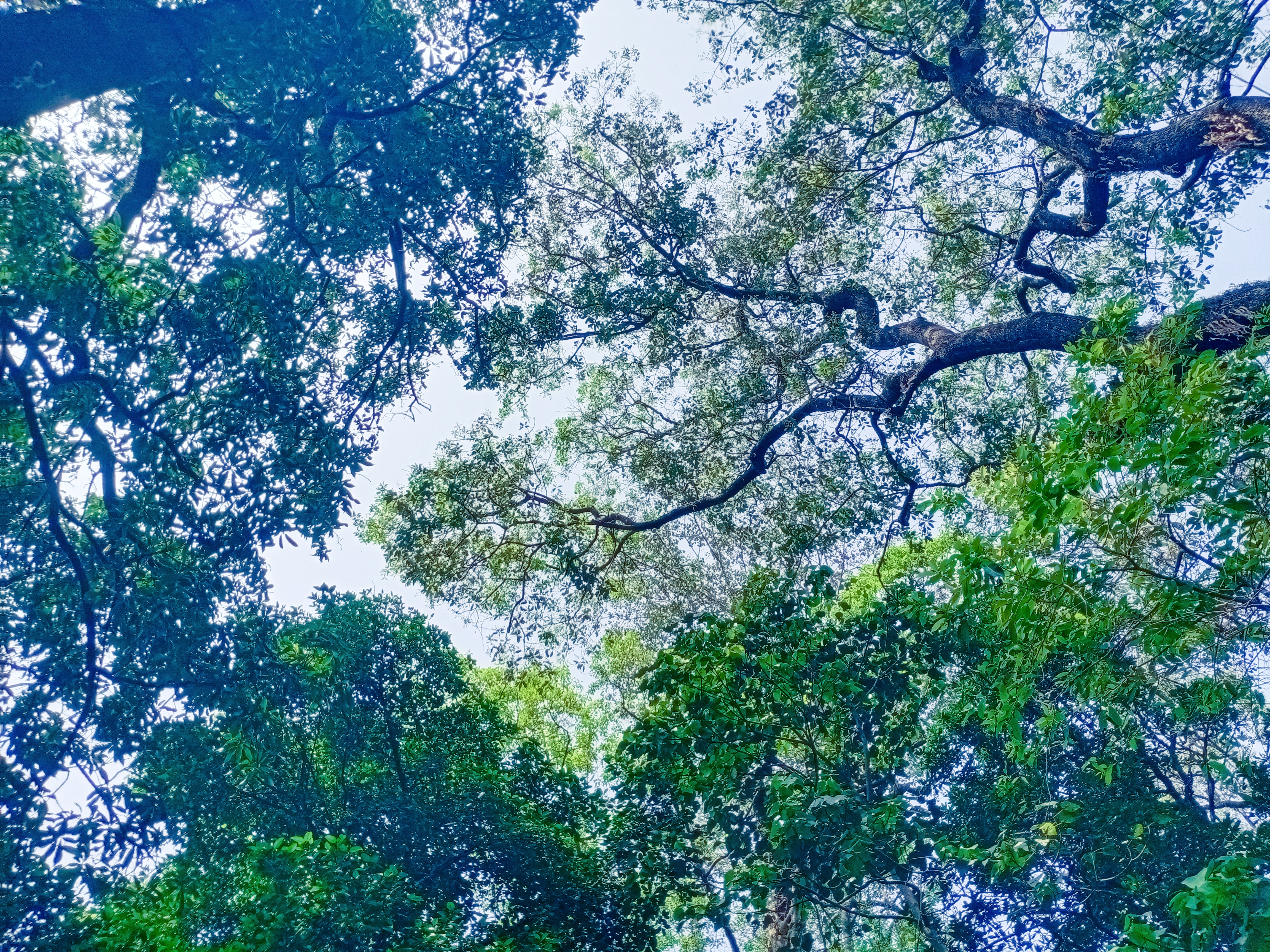
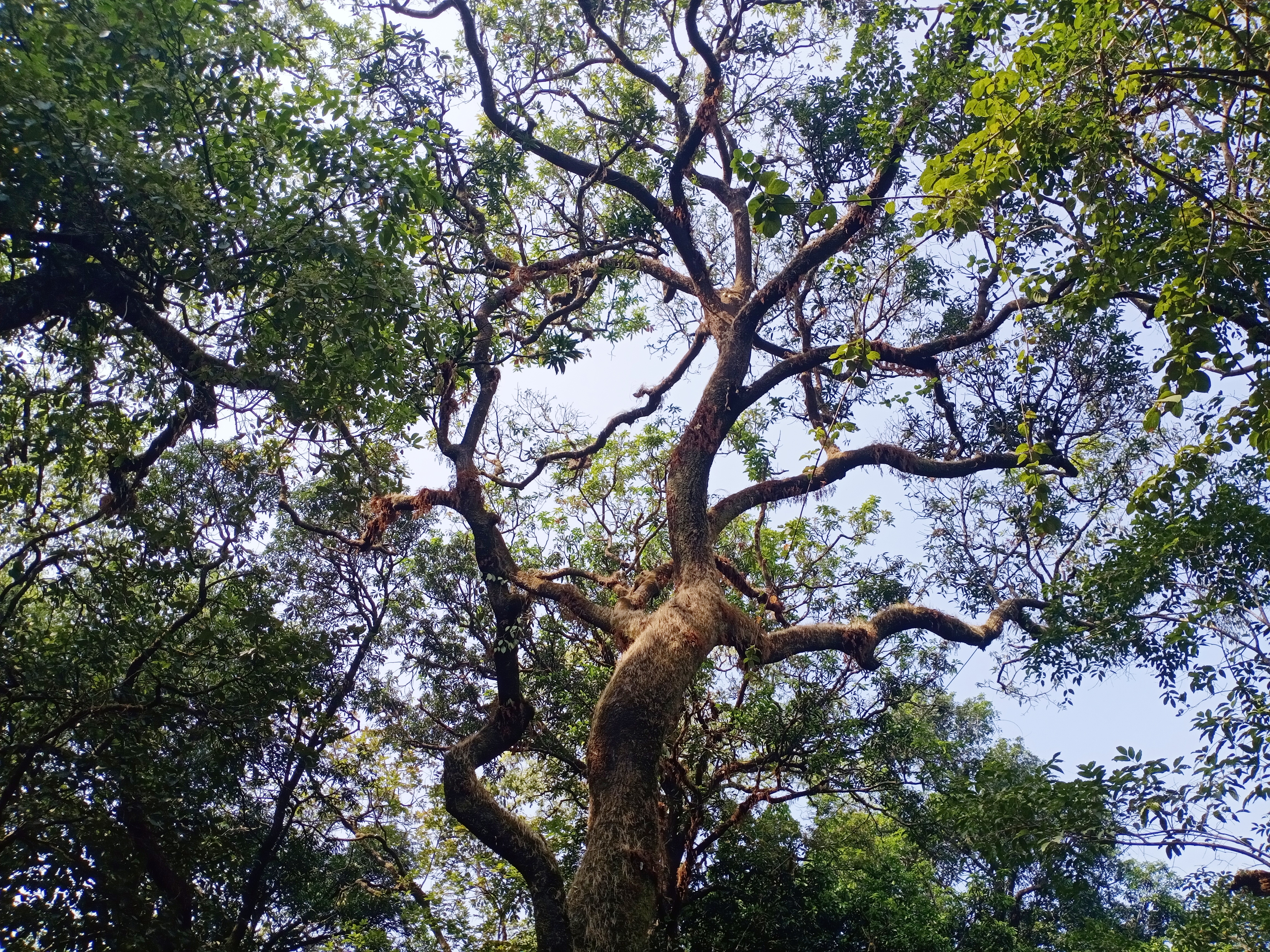
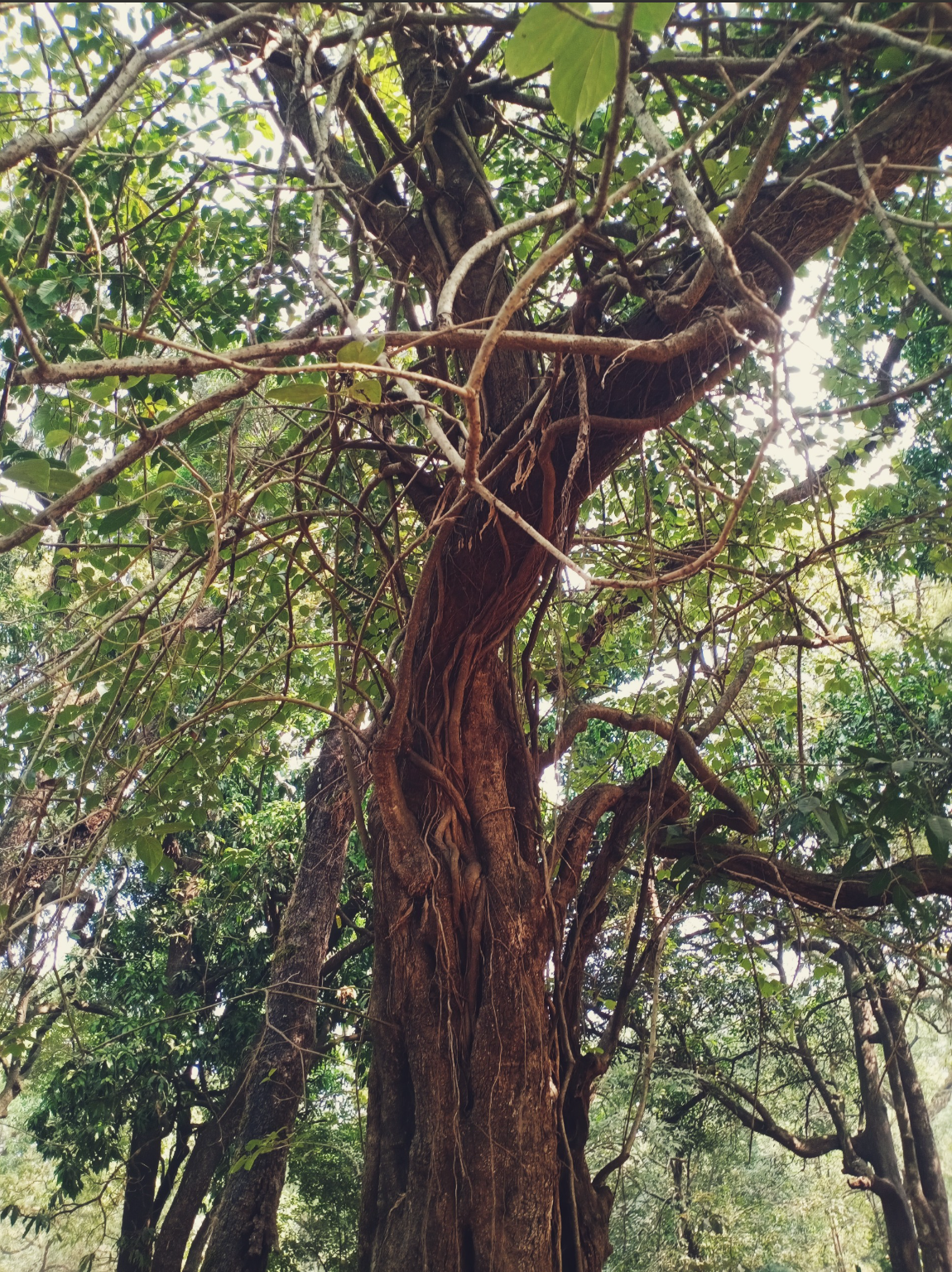
Lonavala Grove Matters
1. A remnant of the original Western Ghats forest it preserves fragments of the native evergreen and semi-evergreen vegetation that once covered much of the northern Western Ghats. These groves act as living archives of the region’s natural history.
2. Historical benchmark for ecological change: Because detailed records exist from over a century ago, thanks to Gamie, scientists can compare today’s vegetation with the original flora and measure biodiversity loss, species turnover, and the spread of invasive plants.
3. Refuge for native biodiversity: Like many sacred groves in the Western Ghats, Lonavala Grove has functioned as a refuge for indigenous trees, climbers, birds, insects, and other organisms in a landscape increasingly altered by urban growth and tourism. Sacred groves are widely recognized as important community-conserved biodiversity reservoirs.
4. Cultural and religious significance: Historically protected through local beliefs and traditions, sacred groves represent a form of conservation that predates modern environmental laws. Their protection was often linked to village deities, sacred rituals, and social taboos against tree cutting.
5. Indicator of urbanisation pressures: Recent studies show that Lonavala Grove has experienced substantial ecological change over the past century due to landscaping, urban development, and the introduction of alien species. As a result, it has become an important case study for understanding how biodiversity hotspots are affected by rapid urbanisation.
A microcosm of the Western Ghats
For someone studying the evolution of the Western Ghats as a biodiversity hotspot, Lonavala Grove is significant because it demonstrates both sides of the story:
- The remarkable biodiversity heritage of the Ghats.
- The ecological pressures that have caused habitat fragmentation and species decline over the last century.
- A reminder of how conservation and development have interacted over the past 100 years.
Was the Ryewood plantation an attempt to override local species? The evidence suggests that Ryewood was more a product of colonial-era landscape gardening and botanical experimentation than an explicit ecological replacement project. However, the long-term effect was that introduced ornamental and exotic species altered the composition of the original forest. As I groped in the dark, I allowed myself be guided by “threatenedtaxa”.
As I did with the iPhone app in identifying the trees. How I wish the green foliage covered all of Lonavala, as it once did, with the brilliant canopies. During a recent visit the AQI in and around the hill station far exceeded amchi Mumbai’s.
Interestingly, one could find exotic trees in the town’s byelanes, too. Together, they make an impressive list: Big-Leaf Mahogany, Cork Oak, Myrobalan, Bird Plum, Gumbo Limbo, Fossil Oak, Black Beech, Tulip tree, Rosewood, Black Pine, Pterocarpus, Camphor tree, Quercus serrata, Possumwood, African Coral Tree, Cuban Mahogany, Firewheel Tree, Red Cedar, Glossy Privet, Chinese Chastetree, Ginkgo biloba, River Redgum, Red Bead Tree, Japanese Pagoda tree, Queensland Bottle Tree, Tetrameles nudiflora, African Baobab, and many more.
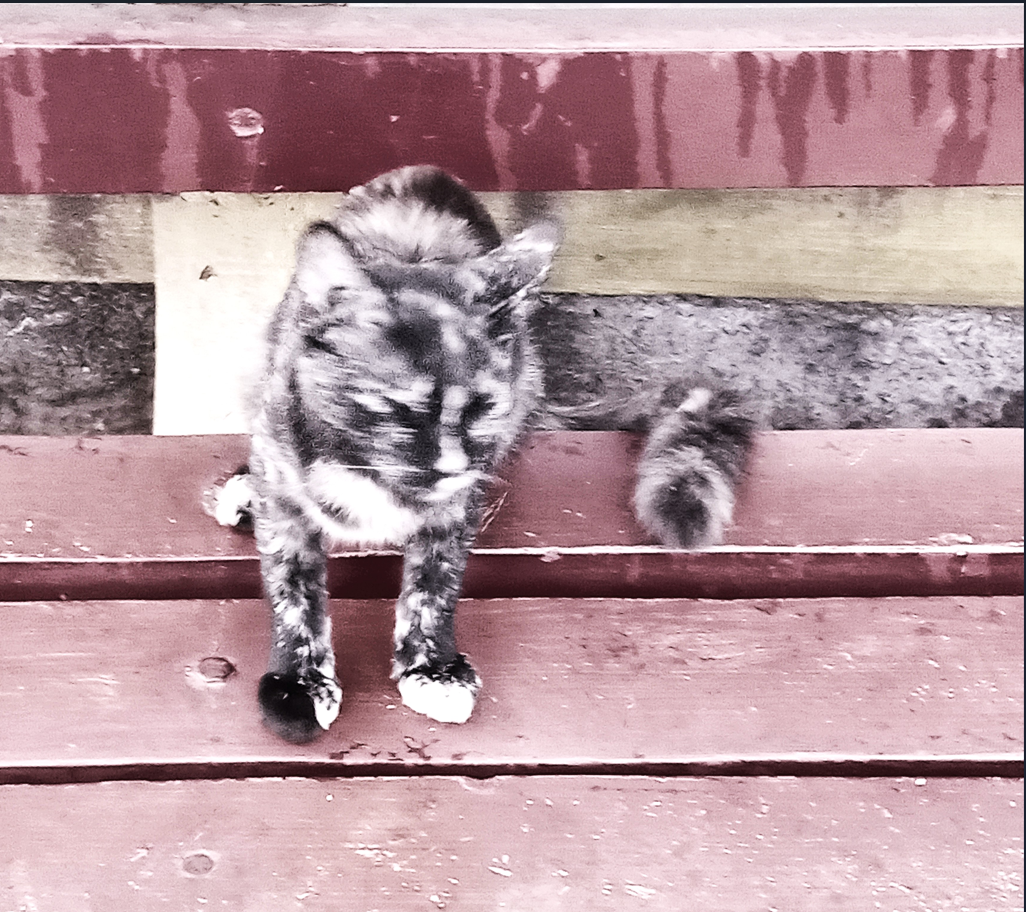
Between the ‘Lions Point’ or ‘Tiger’s Leap’, this was the only feline (flea infested) species on the bench! A restless shrill squirrel nearly hundred feet atop, wasn’t giving up!
A shrill warning from a ‘safe’ canopy. Reminding this speck on the Western Ghat of its origins from the breakup of the Gondwana supercontinent. And ‘India’s’ long period of isolation before colliding with Eurasia. A geological history that created ideal conditions for species to evolve independently, especially amphibians, reptiles, plants, and freshwater fishes.
In a little over 100 years so much changed inside and outside of Ryewood park. When stepping out you cannot but wonder what lies in store for the next 100. Nothing sacred!

