Published in Bimaquest, January 2021
Nilam Sharma is a dual UK/US qualified lawyer with over 30 years’ experience in providing insurance/reinsurance and litigation strategic advices to insurers/reinsurers and their clients on how liability policies issued to professionals, directors & officers, corporate boards, and financial institutions will respond to multi-national litigation and regulatory investigations.
For every year since 2015, Nilam has figured in the Who’s Who Leading Insurance and Reinsurance Lawyers. During 2013 – 2020 she was recognised as Leading lawyer for D&O and commercial litigation by Legal 500. She was shortlisted for the American Bar Association Outstanding Achievement Excellence Award nomination 2016 and the European D&O lawyer nomination 2014. Nilam is European author and co-publisher “Global Directors & Officers Deskbook”. She is the Vice Chair of ABA Professional Liability Insurance Committee 2015 to present.

PG: The codification of Ecocide is rapidly underway. How would you define this new risk?
NS: I have three responses to this and one overall comment.
First, the official definitions vary. The Oxford English Dictionary defines Ecocide as “Destruction of the natural environment by deliberate or negligent human activities.” The Cambridge English Dictionary does not refer to deliberate or negligence. The Stop Ecocide website defines this as “mass damage, destruction of the ecosystem, harm to nature, which is widespread, severe or systematic” While the phrases “deliberate” or “negligence” is not used in this definition, the definition itself I think does imply this behaviour.
Secondly, the objective of a law on Ecocide is to create a criminal offence which is arrestable. That itself will require a party being accused of Ecocide to have knowingly committed an illegal act which breaches the law.
Thirdly, the above definitions are not legal. That is due to be published early this year. For this to work, the offence must have “sufficient clarity” as to what exactly is being breached to ensure that there is no room for ambiguity.
My overall comment relates to the premise of your question “The codification of Ecocide is rapidly underway”- the concept was developed in the 1970s and while there has been more attention on the harm to the climate over the past two years, and I believe accelerated by the pandemic, I do not think that it will be rapid. The legal definition itself is going to be the subject of lengthy debate to ensure that the offences which are potentially covered, can be the subject of criminality. I remember discussing the need for insurers and corporates to consider climate change as a risk about 20 years ago and it is only recently that society is identifying this as a necessity.
The concept was developed in the 1970s and while there has been more attention on the harm to the climate over the past two years, and I believe accelerated by the pandemic, I do not think that it will be rapid.
PG: How would the current form of insurance coverages respond to this emerging risk? How adequate or inadequate are these vis-à-vis to the definition as it is evolving? Would there be a need to design new/ tailor made covers?
NS: There are three subsets to the question and I will deal with them in turn;
A. Current form of insurance coverages
The Stop Ecocide Website has a number of examples which it considers could be a form of Ecocide (oil mining; deforestation; fracking; industrial fishing; oil spills). The damage and loss from each of these activities are covered under current insurance policies:
i. Pollution under a GL policy
ii. Legal costs under a management liability policy for investigations into a corporate or individual’s participation in allowing the above activities to occur which result in loss/damage to land/homes/livelihoods.
iii. Legal costs under a management liability or professional indemnity policy for defending a criminal offence albeit the loss/damage from the offence itself would not be a covered event in the UK/US as it would be against public policy to provide insurance for a criminal wrongdoing.
B. How adequate or inadequate are these insurances in light of the emerging risk?
In light of the intention of Ecocide being a criminal offence, the following issues arise:
How would you police any of the activities that the offence is intended to cover? Who would be held liable – the corporate or the individual?
How would you prove causation? For example, is Company C going to be held solely responsible for deforestation of land which was already mined/fracked etc. by Companies A and B?
How would you differentiate these activities from “natural” disasters? Would Ecocide in fact, turn the table that in effect, none of the climate events we are currently experiencing are “natural’ disasters because to some/whole extent, they have all been caused by human activities in the past?
Would Ecocide in fact, turn the table that in effect, none of the climate events we are currently experiencing are “natural” disasters because to some/whole extent, they have all been caused by human activities in the past?
All the above are questions which insurers are very likely to raise before considering payment of defence costs and/or payment of any loss/damage when presented with a claim of Ecocide.
C. Would there be a need to design new tailor-made covers?
I am not sure this is what would be required. My own view is that the crime of Ecocide is more about holding a corporate or individual accountable so that it encourages them not to engage in the activity in the first place.
If that is correct, the activities under consideration for a crime of Ecocide I believe already have some form of cover.
PG: Could this trigger a new wave of Captives?
NS: The impact on climate is a societal, governmental and economic issue. That alone is sufficient to warrant captives being formed or a pool of money being made available (Terrorism being such an example). So, yes, I do believe that it will trigger a new wave of Captives.
PG: If there are multiple contributors, how do you prove that only Company A caused the loss/damage when there are likely to be a number of contributing factors to the damage?
NS: Causation as a legal concept will require an examination of the facts and the chain of events. It is not going to be easy to prove at all. That is why getting the legal definition spot on is very important.
PG: Do you think the usual suspects – fossil fuel, extractive industries, chemicals, infrastructure, building material, chemicals, shipping, aviation, auto, food and packaging are most likely to be implicated?
NS: Yes. But I go back to my point on causation above.
PG: Would this make the SMCR globally applicable and thereby more onerous?
NS: The Senior Managers and Certification Regime is about holding senior individuals to account and was brought in to plug the gap between senior and junior conduct where the juniors were held to account, but seniors were not, even though the seniors had very likely sanctioned the juniors’ behaviour. My own view is that if Ecocide does become law, then it would be a corporate offence and therefore collectively, senior management would need to ensure that their policies and compliance meet the relevant standards.
If Ecocide does become law, then it would be a corporate offence and therefore collectively, senior management would need to ensure that their policies and compliance meet the relevant standards.
With regard to whether it will be “globally” applicable – we only just need to look at the implementation of bribery offences worldwide – some countries have not imposed as restrictive measures as others, since business requires “workingwithothers financially” to get the contract or work done and is not seen to be an illegal act. For that reason, I do not believe the SMCR will become globally applicable and more onerous.
PG: Would the global financial services need to incorporate these laws, once codified, in respective regulations? Would these be enforceable anyway? Where would the court of final appeal sit?
NS: Taking each question in turn:
A. Would the global financial services need to incorporate an Ecocide Law into respective regulations?
No. If drafted with sufficient clarity, the law would stand by itself which should not require further incorporation. That would just cause more confusion and potentially dilute the effect of the law.
B. Would these be enforceable anyway?
The respective regulations should stand by themselves so yes, they would be enforceable on their own.
C. Where would the court of final appeal sit?
Do you mean jurisdiction? If my understanding is correct, the law of Ecocide is due to be a triable offence at the International Criminal Court in the Hague, Netherlands.
PG: The Economics of Biodiversity – The report better known as The Dasgupta Review was commissioned by the UK Treasury – it is expected to have a highly significant influence on government finance departments across the globe? Would this hasten Ecocide implementation? (Abridged report: https://lnkd.in/dMRYkpe).
NS: This was published on February 2nd and reactions are currently being collated to it. The basis of the review is how to account for nature in economics and decision making and the review “calls for changes in how we think, act and measure economic success to protect and enhance our prosperity and the natural world” At a time when the pandemic has resulted in job losses, deepening poverty in both the developed and developing countries, a recession that is expected to last for the foreseeable future, I think the timing of the review is unfortunate and is likely to be buried by the UK Government until such time as the economy has stabilised. There will be some focus on it no doubt but not one that is going to be taken seriously for the time being.
PG: Many thanks Nilam for these brilliant insights. I do look forward to revisiting the theme as it evolves.

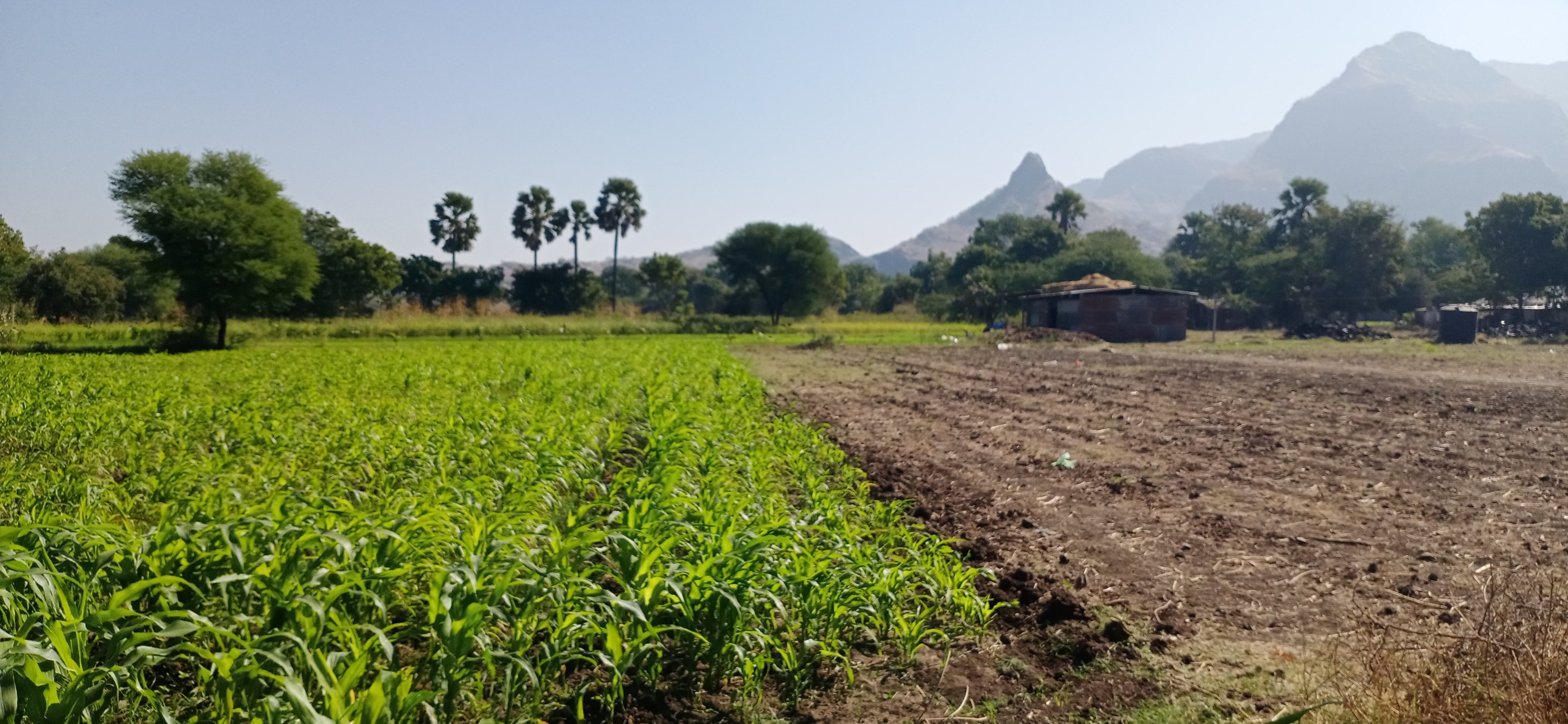
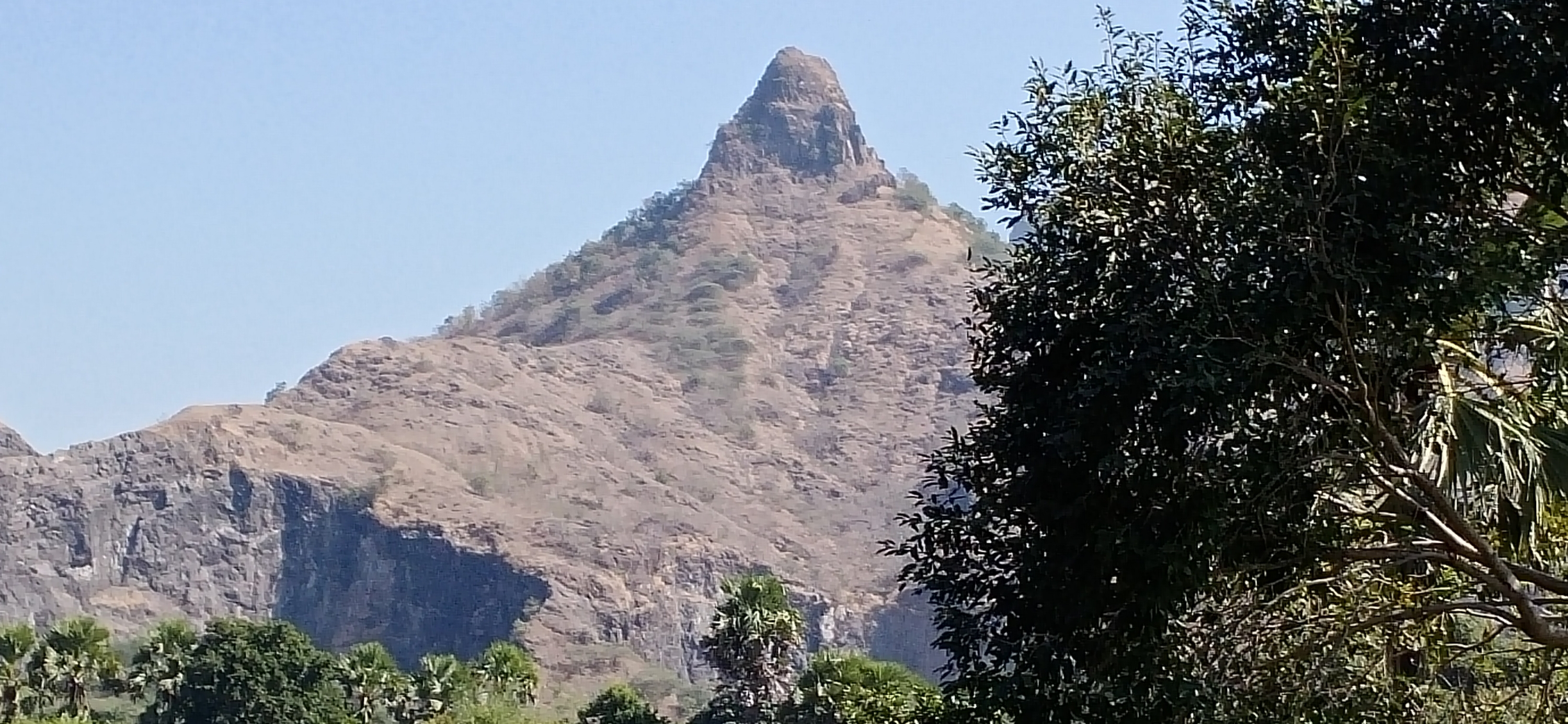

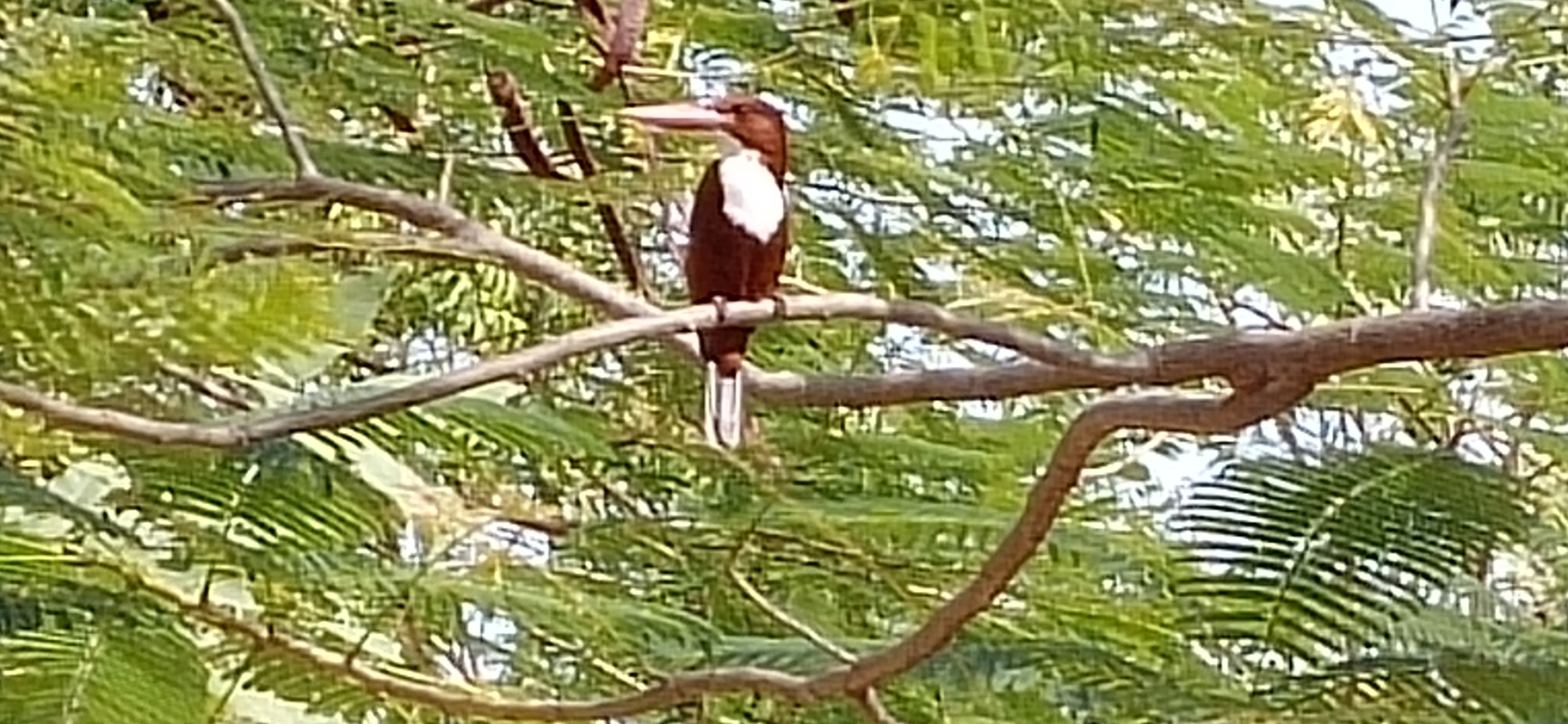
Traces of a flightpath in a brilliant blue sky. Lo, the butterflies appear larger than whatever the aircraft that flies.
Their flutter surely does refine the air. To just the way its always been here.
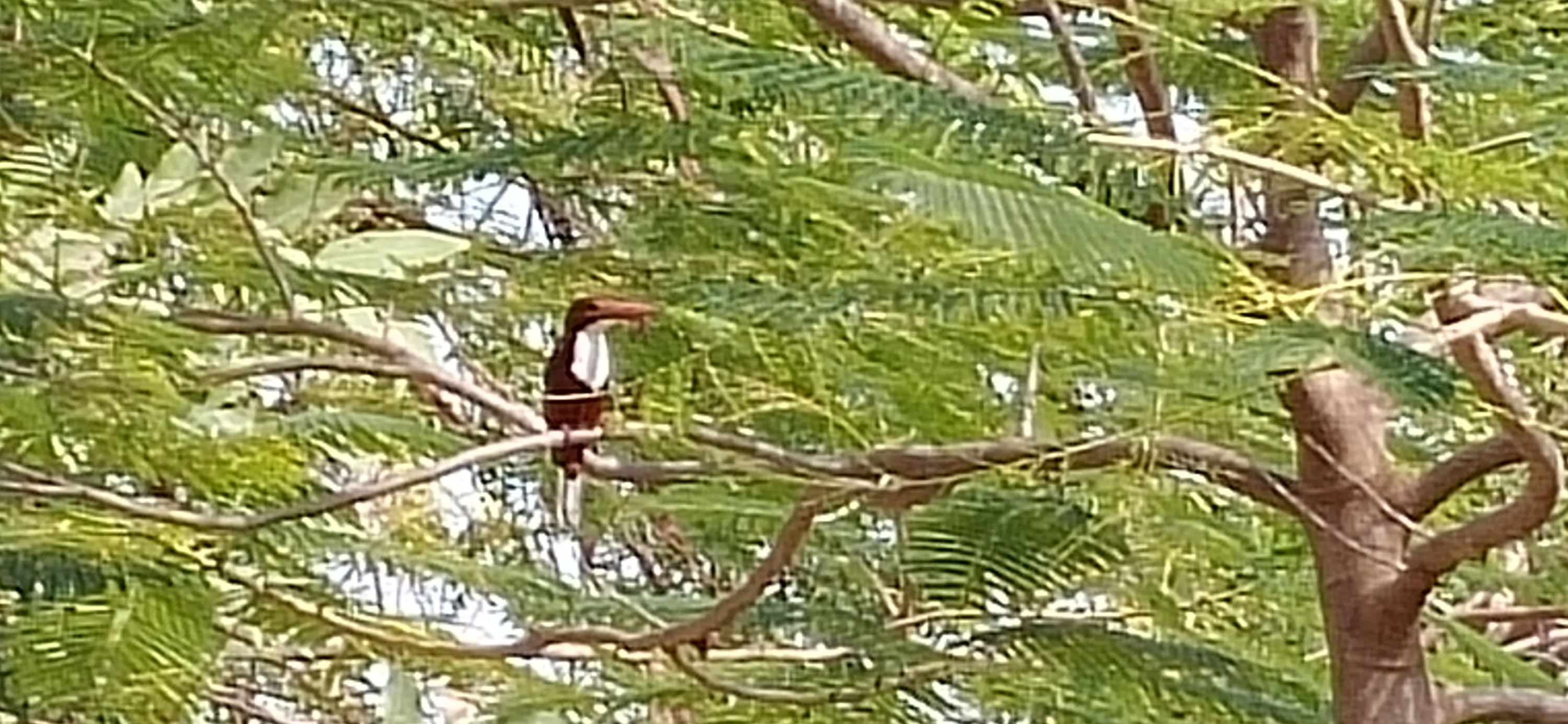
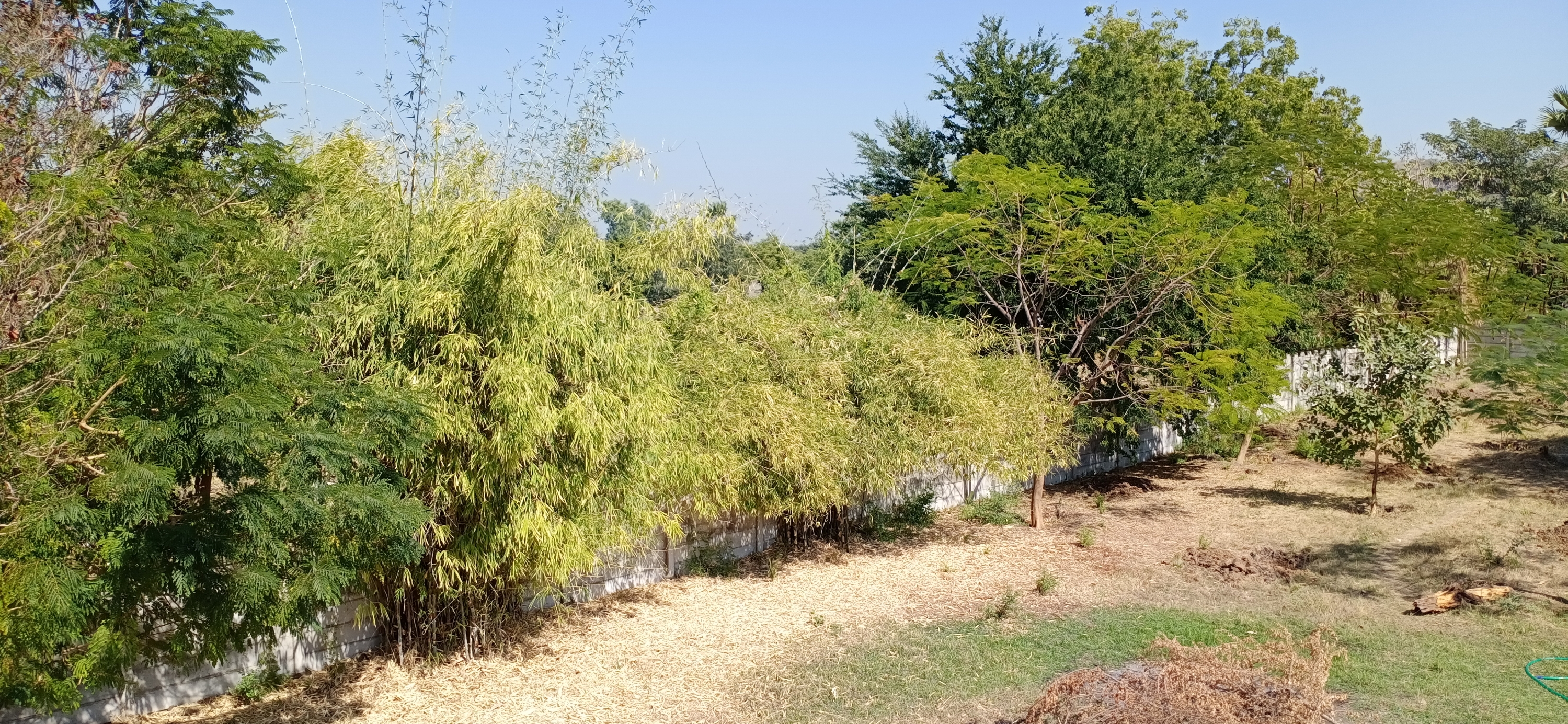

Much has been written and talked about what’s happening in the Indo-Gangetic plain, Sunderbans, submerging coastal cities, flooding, droughts, the killer heat and humidity, increasing severity of cyclones in the Bay of Bengal, rising frequency & severity of storms in the Arabian Sea. However, the third pole tends to be out of sight. The high-mountain ‘water tower’, which acts like a giant storage tank, of the Planet’s nearly 2 billion population. According to National Geographic, climate change is hitting that region more brutally than the world on average. Insurers and risk managers need to wake up to the linkages between what happens in the plains, how it triggers chain reactions in the water tower zone and the unintended consequence for those that depend on it.

World’s most important and most threatened
A study authored by 32 scientists from around the world assessed the Planet’s 78 mountain glacier-based water systems. For the first time, they have been ranked in order of their importance to adjacent lowland communities – while assessing their vulnerability to future environmental and socio-economic changes.
A study authored by 32 scientists from around the world assessed the Planet’s 78 mountain glacier-based water systems. For the first time, they have been ranked in order of their importance to adjacent lowland communities.
“What is unique about our study, says Prof. Walter Immerzeel of Utrecht University, is that we have assessed the water towers’ importance, not only by looking at how much water they store and provide, but also how much mountain water is needed downstream and how vulnerable these systems and communities are to a number of likely changes in the next few decades.”
The findings published in Nature, provide evidence that global water towers are at risk, in many cases critically, due to the threats of climate change, growing populations, mismanagement of water resources, and other geopolitical factors.
Of the 78 global water towers identified, Asian Water Towers relied on the river systems including Indus, Tarim, Amu Darya, Syr Darya, Ganges-Brahmaputra are ranked as the most important and most threatened ones. The most relied-upon and one of the most vulnerable mountain system is the Indus water tower, according to their research. The Indus water tower – made up of vast areas of the Himalayan mountain range – covers portions of Afghanistan, China, India and Pakistan.
Of the 78 global water towers identified…one of the most vulnerable mountain system is the Indus water tower.
The vicious cycle
The climate model tagging technique developed by Dr. Hailong Wang, atmospheric scientist, of Pacific Northwest National Laboratory (PNNL) tracks snowpack-melting particles. “Soot on snow in the northwest plateau causes more warming than all other sources in the area. It’s bigger than the effect of greenhouse gases and soot in the atmosphere,” says Dr. Wang. “The strong heating caused by soot on snow and in the atmosphere can change air circulation over the Plateau, leading to a broader impact on climate.”
Like a dark blanket, the soot acts to warm the ice and snow enough to speed up snowmelt and shrink glaciers. The study confirmed previous work that soot causes net warming over the entire Himalayan -Tibetan Plateau (HTP) region. The work showed that soot pollution could affect the people living there by altering the seasonal water supply.
To track soot, Dr Wang’s team developed a new way to tag particles emitted from individual sources within the climate model. Biofuel and biomass emissions in South Asia make the largest contribution to annual mean black carbon burden and deposition, followed by fossil fuel in South Asia, then fossil fuel in East Asia. Cuts in South Asia can effectively reduce the soot level on the entire plateau, especially in the Himalayas.
Soot on snow in the northwest plateau causes more warming than all other sources in the area. It’s bigger than the effect of greenhouse gases and soot in the atmosphere.
Affecting 40 percent of the population
Another study by Lappeenranta University of Technology (LUT), Finland, on the climate change and geochemical process of waters and lake sediments on the Tibetan Plateau shows that global warming affects geochemical processes such as glacier melting, soil erosion and sediments release. This deteriorates water quality of rivers and lakes, thus significantly impacting the lives of 40 percent of the world’s population living in the area.
The finding indicates that atmospheric long-range transportation of pollutants in remote areas of the Himalayas might deposit at high altitudes. Precipitation during the monsoon season in the region has high concentration of nutrients implying that atmospheric pollution is possibly being transported to the Himalayas from South Asia by the India monsoon. Thus validating the fact that human activities in the surrounding area have effects on the waters of the Tibetan Plateau.
Rising temperatures export old carbon stores from ancient permafrost into contemporary rivers in the Tibetan Plateau. Global warming will continue to release more carbon to the water system, which will, in turn, intensify the regional climate change and affect water quality.
“Rising temperatures export old carbon stores from ancient permafrost into contemporary rivers in the Tibetan Plateau. Global warming will continue to release more carbon to the water system, which will, in turn, intensify the regional climate change and affect water quality. It will affect human livelihoods, rangeland degradation, desertification, loss of glaciers and more” reminds Dr. Mika Sillanpää of LUT.
With solid science evidencing the build-up of threatening climate risk triggered by anthropogenic activity, the urgency to mitigate this risk has never been so pressing. Howsoever distant the high mountains may seem, let’s not miss out the vital circularity. To those who wish to supplement the emerging scientific insights, the recent conversation between HH Dalai Lama and Greta Thunberg on ‘feedback loops’ should be distilled wisdom. Physical, transition and systemic risks – in particular – need to be rapidly addressed to safeguard the well-being of the Planet and its vast sea of humanity. And all fingers point at fossil fuels!
Rather than crystal gaze early in the year, I opted for some wishful thinking. That a favourite innovation continues to stay on the top – made it 50% easier – since I was seeking for two. Allow me to begin with this moving story of a young cancer patient, in the UK, whose last wish was to swim with dolphins. The parents were equally determined. Not only InsureCancer underwrote her travel but also did whatever they could in ensuring the dream came true.
Numero Uno
So who is this unique provider? The website is crisp and comes straight to the point: “InsureCancer specialises in providing travel insurance to those with advanced cancer and we routinely provide cover for those with active, metastatic, relapsed or terminal cancer. We are also able to provide travel insurance to patients participating in cancer drug trials. Our sole purpose is providing specialist cover to those affected by cancer. Our policies are therefore specially designed for those living with cancer and provide full cover for the cancer diagnosis. Each case is individually underwritten and with specialist knowledge of the treatment and management of cancer, we are ready to consider individuals undergoing treatment such as chemo or radiotherapy. A key requirement is that holiday makers should be clinically stable and be travelling with the consent of their attending specialist Consultant”.
“InsureCancer specialises in providing travel insurance to those with advanced cancer and we routinely provide cover for those with active, metastatic, relapsed or terminal cancer.
The Queen bestowed the country’s highest corporate honour The Queen’s Award for Enterprise on InsureCancer and Medi TravelCover Ltd. in recognition of: Pioneering insurance underwriting innovation for those affected by cancer. You get a sense of the intense emotional energy that goes into underwriting this class of business when you sit down for a conversation with Dr. Krish Shastri. Each story he shares is, amongst other things, a remarkable case study in empathy.
InsureCancer was founded in 2004, well ahead of Artificial Intelligence or Machine Learning becoming synonymous with innovation! So innovation is not just about tech. It is about human ingenuity. InsureCancer is an insurance solution provider that deploys science to further quality of life for a growing segment of the population.
If InsureCancer tops my list of insurance innovations till date, VaccineGuard is my ‘means to an end’ candidate for the future. Unlike Dr. Shastri who persevered and earned a doctorate in Oncology as his offering blossomed, David Piesse is a techie who continues to dabble with frontiers of tech. He also brings the unique applications to insurance and risk management. The specialisations range from Cyber Risk, ERM, Blockchain, AI to Disruptive technologies. Borrowing from Ted Levitt, David is gifted not only with ‘creativity in the idea-creating sense but putting ideas to work’. Hence my wishful expectations from him not just in terms of what he has delivered on the back of tech to the industry but what he can! This is not about AI/ML, which continue to hog limelight in terms of accelerated analysis, pattern recognition and predictive analytics. It is about a longitudinal application of VaccineGuard thereby consolidating the diverse fragments of insurance practice into a unified body. Not only would that make the industry more inclusive but more influential. But first things first!
Beyond VaccineGuard: Unbundle & re-bundle!
VaccineGuard is a digital platform that provides end to end attestation and verification of data and actions across the many systems involved in vaccination delivery. The overall goal of the product is to enable travel both within and across national borders and reduce restrictions to social interactions. In order to successfully deploy the Covid vaccination program and equip citizens with trustworthy Certificates, authorities overseeing, and companies involved in the vaccine distribution and administration need trusted and real time situational information and assurance about: 1. The creation of each Vaccine Certificate for an identifiable person, 2. The authenticity of vaccines being used, 3. That Vaccine Certificates are being based on authentic vaccines, 4. Progress to target vaccination goals, 5. Possible Overuse of authentic vaccines for counterfeit Certificates. VaccineGuard delivers these goals via a set of functional components to help different actors throughout the value chain as all of them benefit from the same distributed data management platform. These components empower each other significantly when working together, but each module is also valuable independently. All in all a dedicated digital “trust framework”, howsoever elementary for what I am proposing. A handy and transformative tool for insurers. Needless to mention the efficiencies and momentum that it brings to globalisation.
Be it prevention, wellness or cure – response to these calls for a paradigm shift like never before. Status quo will only lead to a dead-end. Innovation may not always mean tech. Yet, tech can take as far as imagination can.
My wish list starts with ‘horizontalising’ the life-science segment – commencing with say clinical trials, bio-pharma liability, thereafter, stretching and bundling it with healthcare, travel, medical malpractice liability and other possible components. All the related ‘unbundled’ components that evolved per se – be bundled? Can this process then cross-over to the life side and dismantle the barrier (non-life versus life) to recreate a ‘composite’? With the Planet under a dual siege – climate crisis and not last of the pandemics – human well-being has never been under such a threat. Be it prevention, wellness or cure – response to these calls for a paradigm shift like never before. Status quo will only lead to a dead-end. Innovation may not always mean tech. Yet, tech can take as far as imagination can. If only the likes of VaccineGuard bridge the gaps, cover the sweep and deliver the dream by disrupting the business as usual?
December 31, 2020
The Dirty Secret of Over-Performing ESG Funds, and More, in a Q&A with Alison Taylor – Ethical Systems: My interview with Alison Taylor, as it appeared on the ‘Ethical Systems’ site based at NYU Stern School of Business, USA.
Alison Taylor is Executive Director of Ethical Systems, a research collaboration housed at NYU (New York University). She is also a Senior Advisor at sustainability business network and consultancy BSR and investigations firm Wallbrook, and an Adjunct Professor at NYU Stern School of Business. Alison has a long track record of consulting for large multinational companies, on strategy, sustainability, political and social risk, culture and behavior, human rights, ethics and compliance, stakeholder engagement, ESG, and anti-corruption. She is a 2019-21 member of the World Economic Forum’s Global Future Council on Transparency and Anti-Corruption.
Alison previously held leadership roles at BSR and Control Risks, and has worked at PwC, Transparency International, and IHS Global Insight. She has a BA from Balliol College, Oxford University, an MA in International Relations from the University of Chicago, and an MA in Organizational Psychology from Columbia University.
Praveen Gupta: The Pandemic, precarious climatic developments, racial polarisation, and Presidential elections – together made it a heady mix. The US seemed to be at war with itself?
Alison Taylor: Yes! Polarisation is an issue in a number of liberal democracies, but there are particular historical, cultural and structural reasons why these dynamics have got so out of hand in the United States – I recommend Ezra Klein’s Why We’re Polarized if any of your readers would like to get a deeper understanding of these issues. I don’t think it is melodramatic to say that democracy in the United States is in crisis, and the next four years will be very telling in terms of whether the country is able to moderate some of these unhealthy forces or whether it will head further into crisis territory. I am particularly concerned by the lack of a shared reality today. The founder of Ethical Systems, Jonathan Haidt, likens the situation to the Tower of Babel, where we are unable to make shared sense of what is going on around us anymore.
I don’t think it is melodramatic to say that democracy in the United States is in crisis, and the next four years will be very telling in terms of whether the country is able to moderate some of these unhealthy forces or whether it will head further into crisis territory.
PG: Is there anything in particular leading to the lack of shared reality?
AT: It is about media fragmentation and manipulation – before the rise of the internet and social media there was a level of agreement on facts that no longer exists, and this makes any effort at political change exponentially more challenging.
Before the rise of the internet and social media there was a level of agreement on facts that no longer exists.
PG: Despite ‘mother nature’ pushing back ‘father greed’, is it correct to surmise that Climate Change is still a preserve of the activists or at best their sympathisers. Much of America continues to indulge in a wasteful lifestyle?
AT: I actually see some more positive signs here – more Americans across the political spectrum acknowledge the reality of climate change and there has been a dramatic shift in sentiment among younger people. There is no particular reason that climate change needs to be a polarized political issue; indeed, Republicans are more rural and certainly can be extremely environmentally focused. However, the framing of mother nature as oppositional to father greed could undermine prospects for progress in terms of the American mindset, where change will be most likely if the market opportunities of renewable energy and similar emerging businesses gain more momentum.
America is a fundamentally individualistic and capitalist society and the best hope of making progress on climate change will still likely come from arguments that take economic opportunity as their starting point, or at least aim to create “shared value”. It is true that socialism is seen in a more positive light by progressive young Americans than for a long time, and over the long term we may see a more fundamental shift in ideas of what the economy is for, but in terms of moving the country forward in adopting consensual solutions around climate change, a market driven solution is still the most pragmatic option in the short term.
America is a fundamentally individualistic and capitalist society and the best hope of making progress on climate change will still likely come from arguments that take economic opportunity as their starting point, or at least aim to create “shared value”.
PG: The Green New Deal still sounds like a distant dream. Do you see climate activism as a moral compass/ compelling driver for the new government to be?
AT: I do, but the government is seriously constrained in how much room for maneuver it has, particularly if the Senate remains in Republican hands. Over the long term, commitment to environmental responsibility is growing across the political spectrum, and the commitment of US businesses to addressing climate change seems to have far more momentum than other sustainability issues, which will help. We are also starting to see some encouraging signs in terms of financial regulation of climate risk. But the government’s ability to secure the Green New Deal in the short term is constrained, not just by political realities but by the lack of shared reality and the overwhelming prevalence of misinformation, such as rhetoric that the Democrats will ban hamburgers!
PG: Cross directorship and sometimes cross holding via banks and fund managers on insurance company boards poses a systemic ethical risk?
AT: Conflicts of interest pose ethical risks not just in terms of cross holdings between banks and insurance, but also the revolving door between the private sector and regulatory agencies. Institutional, legal corruption is arguably one of our biggest global challenges right now, and it stymies our ability to address a wide range of systemic problems such as climate change and inequality. We are starting to see significant bipartisan movement on financial integrity and money laundering, but there is a very long way to go here.
PG: The ethics deficit seems to be going way beyond the dominant owners of fossil fuel companies, financial institutions including insurers. Non-executive directors (NED), professional managers bound by their profession’s (auditors, accountants, underwriters, engineers, lawyers, and many others) ethical conduct? Shouldn’t they be rebelling?
AT: I think there is quite a bit of rebellion going on in the younger ranks of law, consulting and accounting firms, but it is not until we see younger generations take on leadership roles that we will seriously be able to address these issues. The problems at McKinsey and EY are illustrative of a wider need to regulate the “gatekeepers” that facilitate much of the unethical conduct in the global financial system. Firms are starting to take action, but asking partners to decline six figure projects for reputational concerns will remain unrealistic until the reputational risk becomes overwhelming. All these industries are also unusually resistant to oversight.
The problems at McKinsey and EY are illustrative of a wider need to regulate the “gatekeepers” that facilitate much of the unethical conduct in the global financial system.
PG: Borrowing from Bloomberg, ‘it’s still counterintuitive for asset managers and bankers obsessed with returns to wind down industries while they are still profitable’? Is the resultant double standard fueling greenwashing?
AT: I think that what is happening is that asset managers know the writing is on the wall for fossil fuel companies, but there are questions of how the industry evolves, who will be able to pivot, and who is left standing last. There is a tendency to bet on *both* renewable energy and fossil fuels as a way of hedging risk and opportunity. This is quite rational, but certainly can end up sending a highly hypocritical and self-serving message to those who want to see change happen faster. For any of your readers that have not read this, I recommend this article on the subject: https://www.greenbiz.com/article/if-i-was-right-why-was-i-fired.
There is a tendency to bet on *both* renewable energy and fossil fuels as a way of hedging risk and opportunity. This is quite rational, but certainly can end up sending a highly hypocritical and self-serving message to those who want to see change happen faster.
PG: Is ESG the way forward? British billionaire investor Chris Hohn has said that most ESG investment funds are “a total greenwash” and that investors “need to wake up and realise that their asset managers talk but don’t actually do.”
AT: Well, the dirty secret of why ESG funds have overperformed the market this year is of course that they are overweight on technology stocks, which are “green” in terms of climate but have considerable other ESG issues. ESG can be very effective as a way to drive change but there remain immense challenges with analyzing and contextualizing ESG performance and commitments by companies. Doing it well requires deep engagement with the business, but investors are looking for a quick tick box solution, a universal standard – something where they can check the box and move on to the topics, they are more comfortable with. Sustainability measurement and accounting today is often compared to mainstream accounting before it consolidated and became consistent – but measuring ESG performance is exponentially more complicated than even agreeing on a common set of financial standards to report against. I alternate between hope and despair on this question!
The dirty secret of why ESG funds have overperformed the market this year is of course that they are overweight on technology stocks.
PG: So what’s the key challenge and the possible solution?
AT: We frame everything in terms of the “business case” and there seems wide acceptance that nothing happens without it. The best hope for moving forward is regulation, not voluntary standards, which will be self-serving.
We frame everything in terms of the “business case” and there seems wide acceptance that nothing happens without it.
PG: What necessitated the creation of ‘Ethical Systems’? What is your vision?
AT: Ethical Systems was created in 2014 by prominent author and professor Jonathan Haidt with the goal of making business ethics a cumulative science. Our goal is to advance the field of business ethics with rigorous research to determine what works to drive change in real organizations. Today, much practice is based on anecdotes, consultants’ intuition, and pointless benchmarking of what other companies are doing. We aim to act as a bridge between academia and the corporate world and translate the best ideas from academic research into business practice. This is inherently challenging for all sorts of reasons, but so many of our problems today are unprecedented that perhaps the time is finally right!
Today, much practice is based on anecdotes, consultants’ intuition, and pointless benchmarking of what other companies are doing. We aim to act as a bridge between academia and the corporate world and translate the best ideas from academic research into business practice.
PG: Do you foresee a bipolar world of governance till such time everything migrates to ESG?
AT: I do think it is likely that we will start to see a gulf opening up between companies that embrace stakeholder capitalism and ESG rhetoric, and those that continue to maintain an approach grounded in maximising short term shareholder value. We can already see this in the differentiated responses to the coronavirus. It is often held that consumer facing companies have more reputational risk and will be the first to act, while B2B companies experience less pressure to adopt sustainable practices. However, large multinationals are pushing adopting of ESG standards through their supply chains, and this will greatly accelerate adoption of such standards.
PG: Many thanks for these exceptional insights, Alison. May the world quickly move towards a more just and equitable order.
Homepage
My TOI Blog: December 18, 2020
Heat: Hacker hacked! (indiatimes.com)
Just imagine 400,000 Hiroshima sized bombs equivalent heat being injected into Planet Earth by human activity daily. That is what this hacking is about. A serious outcome includes severe crippling of the Biodiversity and Ecosystem Services (BES). 55% of global GDP is dependent on it. We may term it ecosystem collapse risk.
India will have more than its share of woes – first in the world to experience heat waves that cross survivability limit by next decade. World’s hottest Wet-bulb temperatures not only resulting into increased morbidity risk for sick and elderly but also encroaching upon the survivability threshold for healthy adults. Increased cardiovascular and neurological conditions. Needless to mention lost labour hours and its economic consequences.
Should insurers wait and ignore? Just when heatwaves too will soon have names. The choice is between an ostrich or a boiling frog. There is no scope to dismiss it as a Black Swan – when a Gray Rhino is hurtling towards us. Would you wish to neglect?
Shreya Sethi is a research scholar at a premier research institute of India. She is on the verge of completing a doctorate in wildlife economics. The focus of her work lies on Laws and Policies and improving conservation efforts especially with a strong bend towards curbing illegal wildlife trade and hunting. Shreya’s research work largely centres around Central India. She shares some very interesting insights based on her personal explorations and findings.
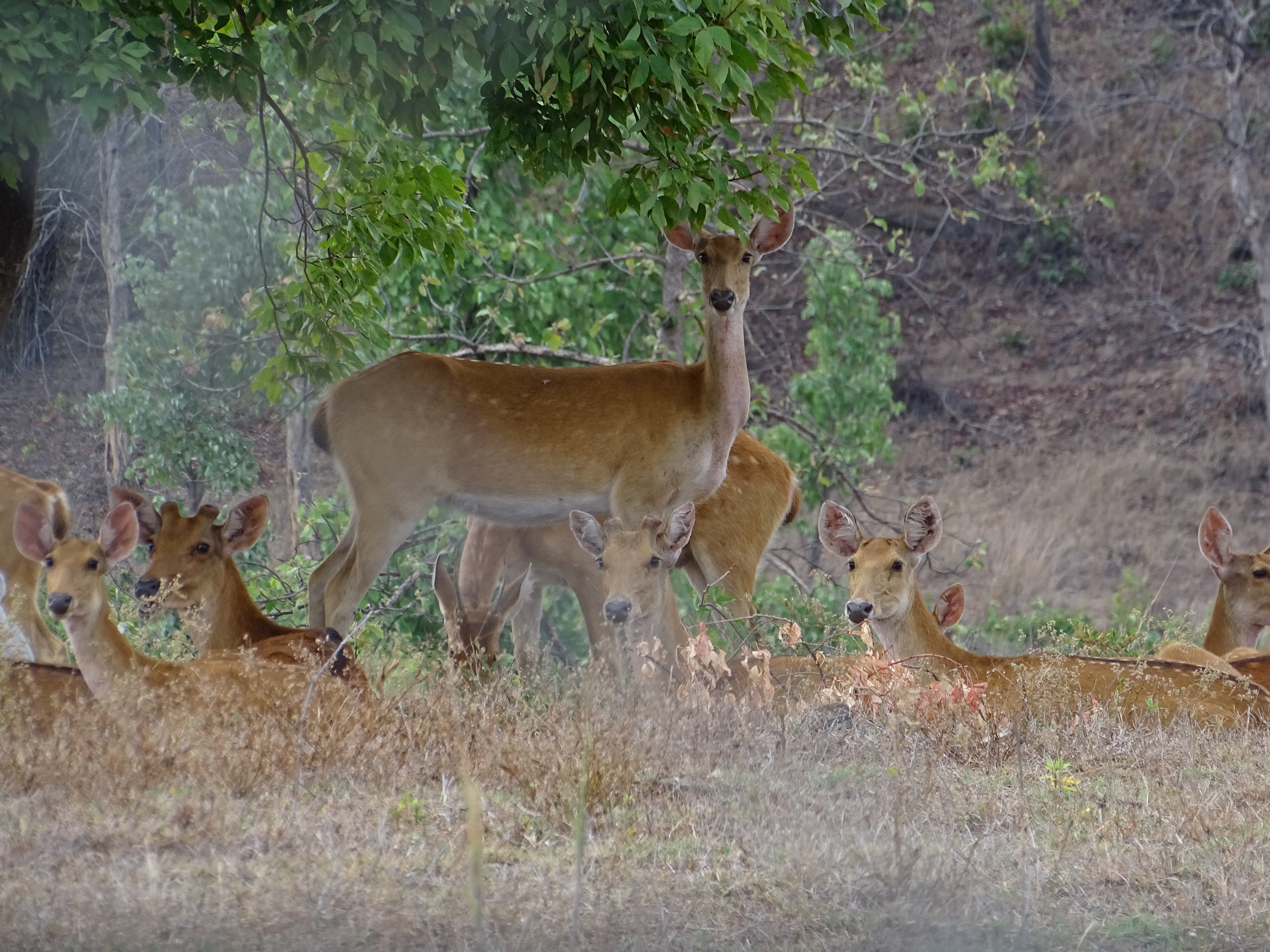
Praveen Gupta (PG): How would the tiger and lion blend if the lion were to be introduced in Central India?
Shreya Sethi (SS): Well, there are two parts to this; on one hand, there is a case when African Lions were introduced in India (Reference Book “Life with Wildlife” by Dr. Ranjithsinh Jhala) and that story ended badly as it was poorly planned and executed reintroduction. The lions were killed by tigers due to inter-species conflict. In the current scenario, there are six proposed sites for Asiatic Lions and the most probable one for reintroduction being Kuno-Palpur Wildlife Sanctuary, Madhya Pradesh. It has close to no tigers. But I believe there is more ongoing research at the Wildlife Institute of India (WII) about the interactions of tigers and lions and possible conflicts.
PG: Do we have the grasslands and the desired ecosystem for reintroducing lions and cheetahs in Central India?
SS: I was in conversation with Dr. Laurie Marker (Founder of Cheetah Conservation Fund) and Dr. Ranjitsinh Jhala on this. Yes, these animals require vast grasslands especially the Cheetah given how they hunt their prey.
I am going to answer this individually for Lions and Cheetahs.
Lion re-introduction in Central India is key for diversification of gene-pool and to maintain a healthy population of Asiatic Lions.
Lion re-introduction in Central India is key for diversification of gene-pool and to maintain a healthy population of Asiatic Lions. Further, the Central Indian landscape is the only one that comes close to its native one, so in terms of choice for reintroduction, there can be nothing better than Central India. Thus, I support the stance of Asiatic Lion re-introduction in Central India.
Cheetah’s reintroduction plan while has been ongoing for a long-time especially pushed by Dr. Ranjithsinh Jhala, I would go with the view of Dr. Laurie Marker. Her suggestion is that India should first protect and conserve what we already have – Tigers, Leopards and Lions, than take on other species. Given that the threat of poaching, habitat destruction and encroachment continues unabated finding vast pristine grassland tracks may not be viable.
Having said that, with the growing human population in fringe forest areas and otherwise, the introduction of Cheetahs might increase incidences of Human-Wildlife Conflict and lead to retaliation hunting. A re-introduction might also give false hopes that in the face of local extinction – importing species is a solution thus – undermining the conservation principles.
The introduction of Cheetahs might increase incidences of Human-Wildlife Conflict and lead to retaliation hunting… The Cheetah does not have specific ecological benefits (as long as we maintain a healthy Tiger and Leopard population) given the species has been extinct in India since 1947.
While on the flip side the reintroduction might help to generate more tourism revenue. Looking at it through a cost-benefit lens, I feel the cost of enforcement, balancing human-wildlife conflict, and needs of local communities outweigh the tourism revenues. The Cheetah does not have specific ecological benefits (as long as we maintain a healthy Tiger and Leopard population) given the species has been extinct in India since 1947.
1. Hunters/Poachers come in direct competition with the apex predator species like Leopards and Tigers, which means that in case the herbivore population decimates there would be chances of increased depredation on livestock leading to a rise in negative human-wildlife interactions or commonly called Human-Wildlife Conflict.
2. Due to excessive poaching pressures of “Predator species” (example of Panna Tiger Reserve when local Tiger population went extinct), the size of herbivore species increased due to the imbalance created in the ecological food chain.
3. Zoonotic spillovers (as evident from the current COVID-19 Pandemic).
4. Ruthless poaching of species like in case of Asian Elephants especially the Tuskers means, that only the “males” are poached leading to imbalanced propagation of a species.
5. Extinction of a specie due to excessive exploitation also, implies ecological imbalances like reduced seed dispersals and habitat changes as herbivores species like Deer and Elephants play a key role in maintaining the same.
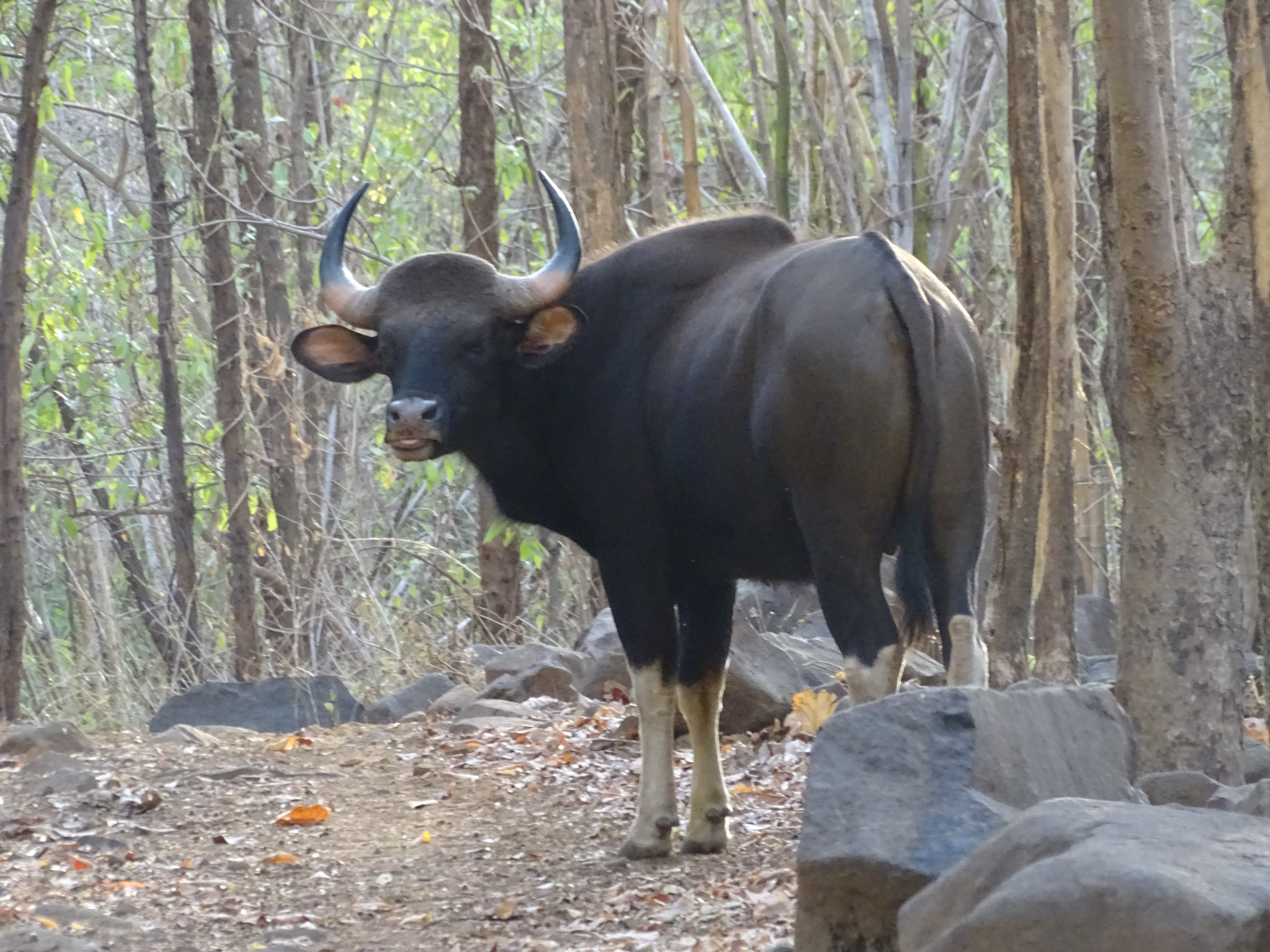
PG: What causes more harm to our forests – poaching or hunting? Are there any unique nuances that you come across?
SS: Poaching and Hunting are terms more appropriate in an African country or countries with Legal Hunting Laws. In the case of India, Hunting and Poaching are synonymous, the law treats any harm to the Scheduled Species/ Native Species (as per the Wildlife (Protection) Act, 1972) as illegal hunting, this goes on to be as nuanced to add that even stealing bird eggs from the nest is equivalent to hunting and a punishable offence. Yet, there is a caveat about the fine or jail term which varies depending on the species in question and the location of the crime (hunting).
In the case of India, Hunting and Poaching are synonymous, the law treats any harm to the Scheduled Species/ Native Species (as per the Wildlife (Protection) Act, 1972) as illegal hunting.
Looking closely at the problem of poaching or hunting (as mentioned in the question), while prima facie the connotation of the word poaching makes it seem more harmful but, in fact, it is important to note that both poaching and hunting are harmful. Poaching is often used to denote hunting for an external demand or for wildlife trade and assumed to be operated by a nexus of criminals but, as the very grass-root any hunter (subsistence or tribal) can be pulled-into the wildlife trade chains given the large sums of money involved.
Hunting often goes unnoticed if it is of smaller / lesser-known or non-charismatic species like Wild Pigs, Spotted Deer etc. but these species are equally important to the ecological balance and often too much discussion on poaching and commonly poached species (charismatic species likes of Tiger, Pangolins) undermine the other lesser-known species. To exacerbate the problem further, there is no population census of any other species except Royal Bengal Tiger, Asiatic Elephant, and Asiatic Lion and to some extent of Leopards in India. This makes it even more difficult to put a magnitude to the severity of hunting/poaching.
Hunting often goes unnoticed if it is of smaller / lesser-known or non-charismatic species like Wild Pigs, Spotted Deer etc. but these species are equally important to the ecological balance and often too much discussion on poaching and commonly poached species (charismatic species likes of Tiger, Pangolins) undermine the other lesser-known species.
Digressing from the wildlife conservation perspective and looking at hunting through the sociological lens and as a subsistence activity for tribals, in the past, their ways of culling a species were rooted in traditional values and by default aimed at sustainable use but, this is not the case anymore. The main things adding to this detrimental effect is:
1. Growing population pressures on even from local tribals living in forest fringes.
2. Greed for quick-money thus, making them vulnerable to be pulled-into poaching nexuses.
PG: From tigers to lesser species, a lot of hunting / poaching is attributed to the demands in China. To what extent is that a myth?
SS: Demand from China for any species in India or the world is not a myth. There are enough links available on google search database with adequate information on Chinese traditional medicines and their ingredients. The seizures that take places of species being exported to China is proof enough that it is not a myth.
This does not mean we need to point fingers at any one country – almost all countries are either sources or sinks for illegal wildlife trade products. There is demand for exotic pets from Europe, USA, and Middle Eastern countries or for luxury products like animal pelts from say the USA.
This transnational attribute of wildlife crime is what makes it complex and requires global cooperation very similar to the likes of Climate Change.
This transnational attribute of wildlife crime is what makes it complex and requires global cooperation very similar to the likes of Climate Change.
PG: What’s your take on the avifauna?
SS: Avian fauna faces multi-faceted risk due to their migratory nature, lower priority in law as compared to terrestrial mammals and also, lower population assessments but, I am optimistic as a lot of Citizen Science projects like Bird Count India are coming up as “birding” is garnering a lot of attention in the current times.

PG: The picture on fire-line reminds me of the forest fires in Australia and the US/California. How vulnerable are our forests to these?
SS: Our Dry Deciduous Forests – from Deccan to Southern India – are extremely vulnerable to Forest Fires due to high temperatures during summers and also, man-made fires. Firelines are basically made by the Forest Department by burning a part of the forest or creating a tar-road. Thus, in case of an actual forest-fire, it would break at this point instead of ravaging the whole forest at once.
PG: Any message to our fellow countrymen as to how they can contribute in preserving the flora & fauna. And how to discourage any illegal trade that triggers poaching?
SS: Quite an interesting point you have raised and this is being used as a campaign theme across the globe to reduce the anthropogenic pressures of illegal wildlife trade on wildlife. If I may add, we should never use the word preservation with regards to Flora and Fauna as the word has a negative connotation and almost implies taxidermy or preserving a dead animal or plant, sorry for being really picky about the use of the Preservation.
We should never use the word preservation with regards to Flora and Fauna as the word has a negative connotation and almost implies taxidermy or preserving a dead animal or plant.
1. Leave the Wild in the Wild: by this I mean do not try to adopt, pet, or rescue wild/ orphaned animals especially without professional help.
2. Be Responsible: During a visit to a National Park or Wildlife Sanctuary, or any open Forest; follow a code of conduct especially while using cameras and flash. Do not litter around with plastic as animals often choke on chips packets and die.
For Conservation /Protection and to Discourage Illegal Wildlife Trade:
1. Do not Fuel Demand: By being a responsible citizen not buying wildlife products for pets or any other use either Indian or Exotic. Discourage your friends and relatives from doing the same.
2. Report Wildlife Crimes to concerned authorities like the Wildlife Crime Control Bureau, as often a lot of these crimes go unnoticed especially exhibits of Snake Charmers, Bear Dancers, or Monkeys in an around your vicinity.
3. Be Aware: Read product labels carefully or search for information online before purchasing cosmetic products or food items like Coffee, Soya, Honey. Be aware of the product origin which could all indirectly be linked to damage to critical wildlife habitats or a species.
4. Become a part of Citizen Science Projects in Wildlife Conservation which ensure both research output and create awareness about species in our neighborhood. To quote a few like Birdcount India.
5. As a rational and responsible citizen minimise carbon-footprint by taking simple steps. Starting from reducing air, water, noise, and light pollution, using more of biodegradables, looking for alternatives in case of forest derived products like wood for furniture or paper.
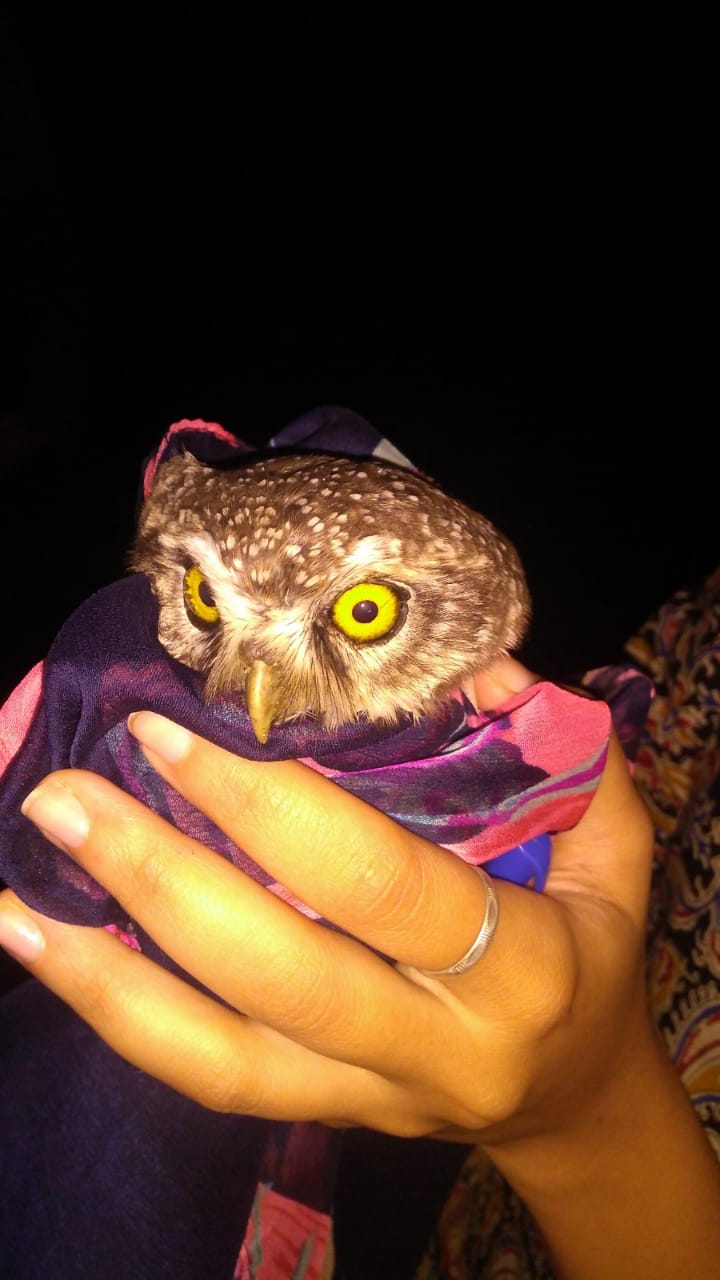
Lastly, I would like to add that all species like all humans are equal in the eyes of law – a palm squirrel or a parrot are equally protected as Tigers and Leopards as per out Wildlife (Protection) Act, 1972. However, we often do not give enough attention in case a squirrel or myna is captured or killed and instead turn our attention to more charismatic species like Tiger, Leopards, and Elephants.
All species like all humans are equal in the eyes of law – a palm squirrel or a parrot are equally protected as Tigers and Leopards as per out Wildlife (Protection) Act, 1972.
We need to understand there is a deep chasm of missing data in the case of the population status/estimations of lesser-known species and in a lot of cases we would not even know if they are becoming locally extinct until we actually stop seeing them around us. This has already been the case for amphibian species and re-iterated in the book Sixth Extinction.
PG: Many thanks Shreya for sharing these valuable nuances of our biodiversity. May you continue enjoying your explorations.
Times of India Blogs: December 7, 2020
In search of influence: From rubber stamp to gold standard! (indiatimes.com)
Insurers ought to be influential if they must fix the biggest risk on hand – Climate Risk! How do you bring mojo into the insurance governance space? Can the energies of once upon a time ‘can do’ frontline salesforce be transferred ‘upstairs’ to the fiduciary level? With the tremendous diversity at their disposal, can insurers be more inclusive? As governance expands into ESG, insurers not only need to urgently act on environment, be proactive and thereby gain influence. Are there any tools available within the striking distance? Corporate Governance Scorecard and Internal Carbon Pricing (CDP), two in particular that I allude to, beckon attention. Yes, insurers can be more influential, they need not be rubber stamps and must go for the gold standard of influence.
 The Diversity Blog